
 EN
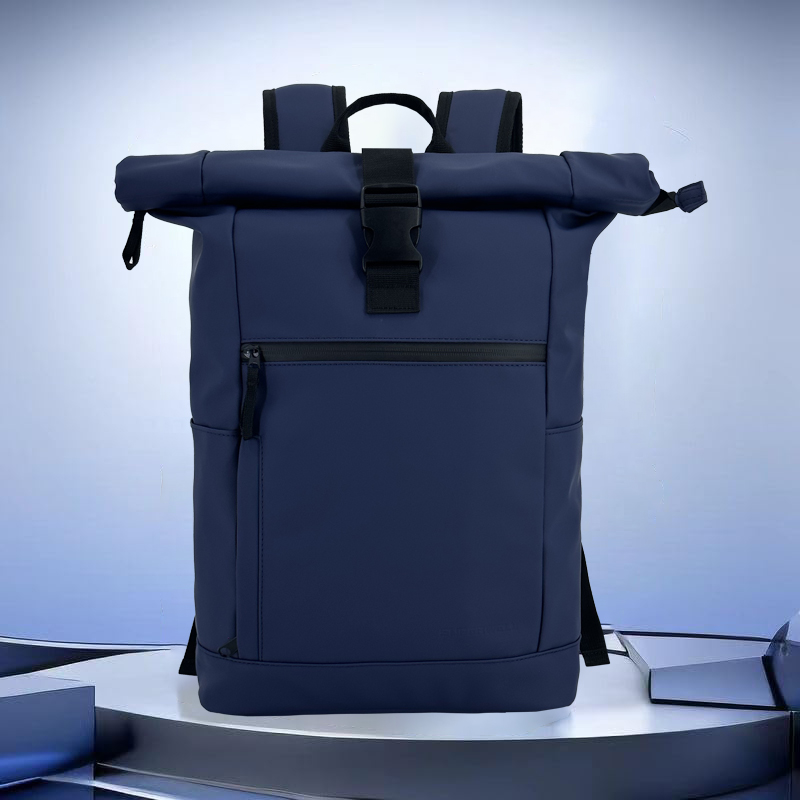
When sourcing rolltop backpacks featuring internal padded laptop compartments for bulk distribution, B2B buyers and quality assurance (QA) teams often focus heavily on fabric waterproof ratings and seam welding. However, a critical point of structural failure during heavy everyday use is the top opening mechanism. Implementing a strict roll closure fatigue test during bulk inspection is essential to verify that the waterproof sealing mechanism and buckles maintain their integrity over thousands of cycles. For any brand partnering with a specialized backpack manufacturer like Superwell, understanding this testing protocol prevents high return rates and ensures durable performance for daily commuters and outdoor professionals.
Why Roll Closure Fatigue Testing Matters in Laptop Rolltop Bulk Inspection
A rolltop backpack relies on folding the upper collar three to four times and securing it with a side-release buckle to achieve weather resistance. During bulk inspection of a rollopp backpack laptop production batch, QA inspectors must simulate repetitive user behavior. If the webbing straps, buckle anchor points, or TPU/PVC coatings on the folding crease degrade prematurely, moisture can leak into the main compartment and ruin expensive electronics like laptops and tablets.
Unlike standard zippers, rolltop closures undergo unique mechanical stress. The creases are subjected to continuous bending, pulling, and tension from overpacking. A targeted roll closure fatigue test evaluates how the coated textiles and high-stress stitching hold up against cyclic mechanical fatigue before containers leave the factory floor.
Technical Parameters and Testing Standards
To maintain international compliance and ensure objective evaluation during factory auditing, professional inspection protocols borrow principles from ISO textile fatigue standards and mechanical cyclic testing. Below is an overview of the typical parameters evaluated during a laboratory-grade or factory-floor roll closure fatigue test:
| Parameter / Metric | Standard Testing Specification | Purpose in Rolltop Laptop Inspection |
|
Cycle Count |
3,000 to 5,000 continuous cycles |
Simulates 1 to 3 years of heavy daily opening and closing |
|
Tension Load |
5 kg to 10 kg vertical pull on buckle |
Mimics an overpacked main body and laptop section |
|
Crease Inspection |
Visual & microscope magnification |
Detects micro-cracking, delamination, or coating pinholes |
|
Buckle Pull Force |
ASTM F88 / ISO 13935-2 standards |
Ensures side-release buckles do not fracture under stress |
By enforcing these thresholds during a bulk inspection, procurement specialists can separate sub-standard batch productions from export-ready inventory.
Step-by-Step Factory Testing Workflow for Rolltop Backpack Laptop Orders
Executing an accurate roll closure fatigue test requires a standardized procedure on the production line or in an independent testing room. When evaluating a rollopp backpack laptop shipment, professional inspectors follow a strict sequence:
-
Sample Selection: Randomly select sample backpacks from the bulk inspection batch based on ANSI/ASQ Z1.4 (ISO 2859-1) sampling tables.
-
Pre-Test Evaluation: Inspect the edge-taping, waterproof coating, and bar-tack stitching around the top collar and strap attachment points. Record baseline waterproof performance.
-
Mechanical Simulation: Mount the backpack onto an automated fatigue-testing rig. The machine executes consecutive rolling actions—folding the collar 3 times, clicking the side-release buckle, applying a designated tension load, and unrolling.
-
Post-Test Examination: After completing the target cycle count, remove the sample and examine the crease lines under a high-intensity light box. Check for white stress marks, peeling polyurethane (PU) or thermoplastic polyurethane (TPU) films, and thread fraying.
Common Pitfalls and How to Avoid Them in Sourcing
Many overseas buyers fall into the trap of assuming all waterproof rolltop backpacks are structurally identical. Here are key procurement pitfalls to avoid regarding the roll closure fatigue test and overall bulk inspection:
-
Ignoring Sub-Zero Temperature Impact: Standard PVC or cheap plastic coatings become brittle in cold weather. Ensure the factory tests the rolltop material flexibility at low temperatures if your target market experiences winter conditions.
-
Skipping Seam Bar-Tacking Checks: The point where the rolltop webbing meets the body fabric bears the brunt of the fatigue stress. Insist that your bulk inspection report includes specialized close-up photos of these bar-tack stitches.
-
Accepting Visual-Only Inspection: Relying solely on a quick visual glance is insufficient. Request video documentation or certified lab reports confirming that samples have passed mechanical roll closure fatigue test benchmarks.
By collaborating with experienced manufacturing partners like Superwell, who integrate rigorous in-line quality controls and mechanical testing into their daily production lines, brands can completely eliminate these supply chain risks.
Conclusion
Incorporating a systematic roll closure fatigue test into your standard bulk inspection checklist is a non-negotiable step for safeguarding your brand reputation when sourcing a rollopp backpack laptop. By focusing on cyclic durability, standardized tension loads, and meticulous post-test evaluations, you ensure that every backpack delivered to your customers meets the highest standards of modern functional design.