 EN

Wholesale Backpacks for B2B Sourcing
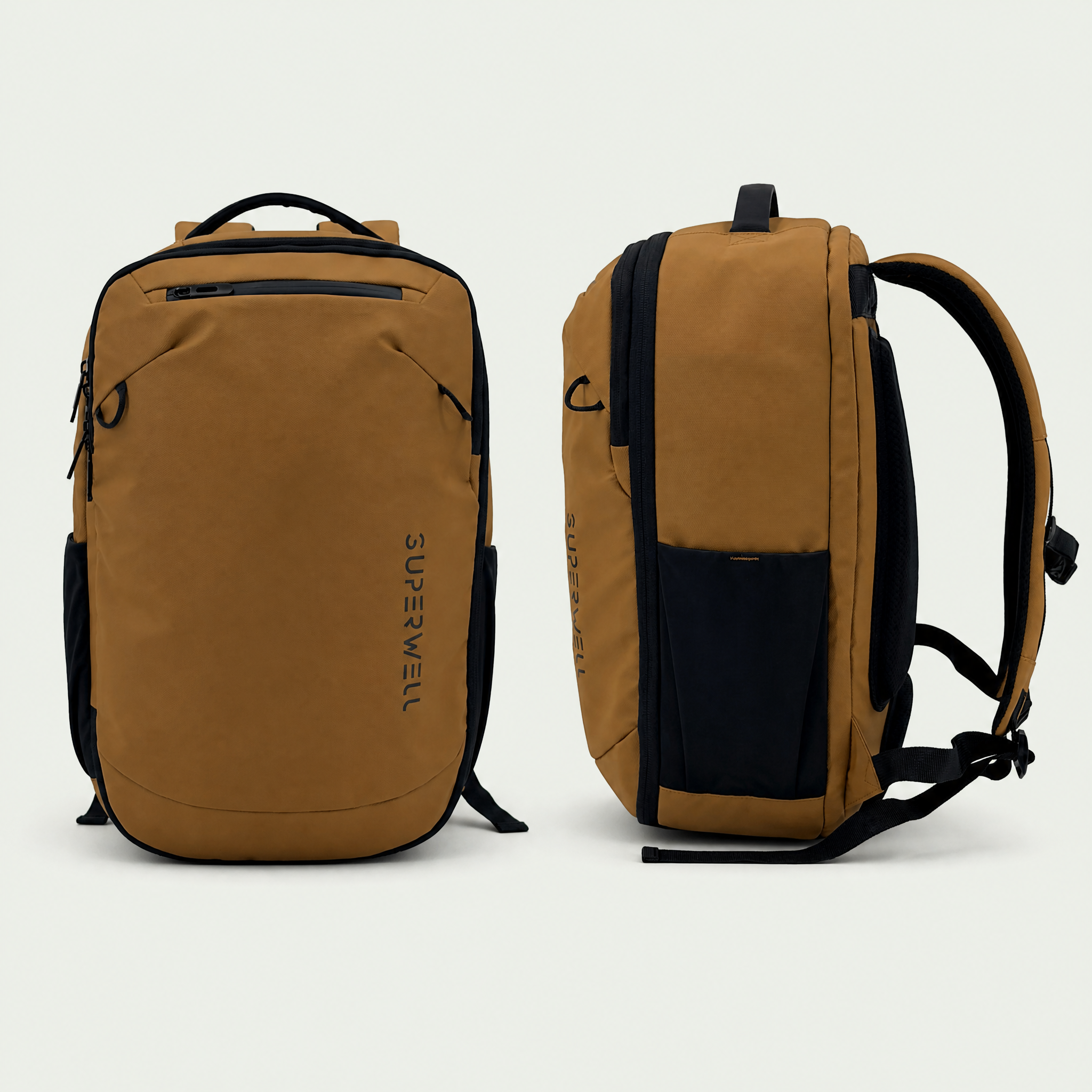
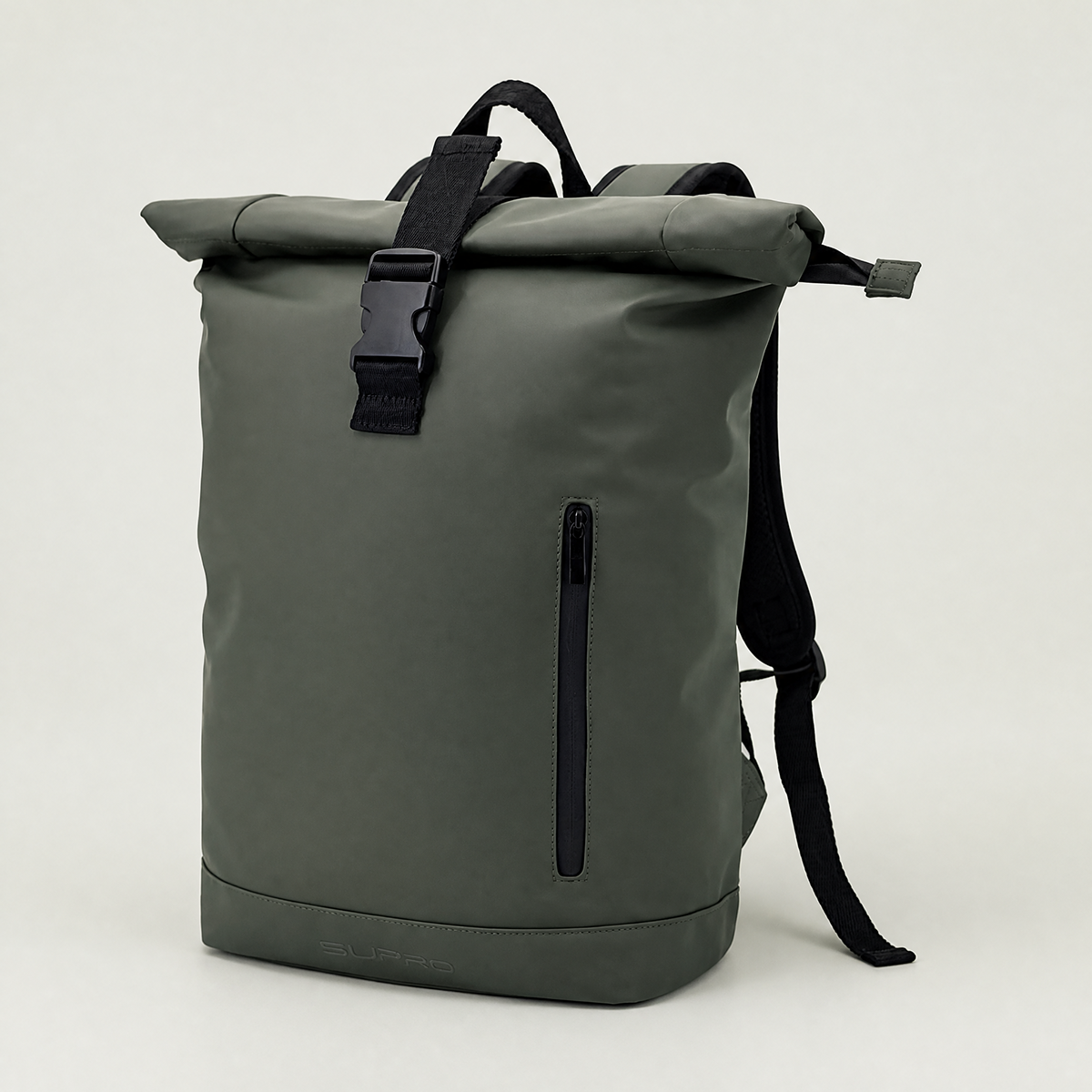
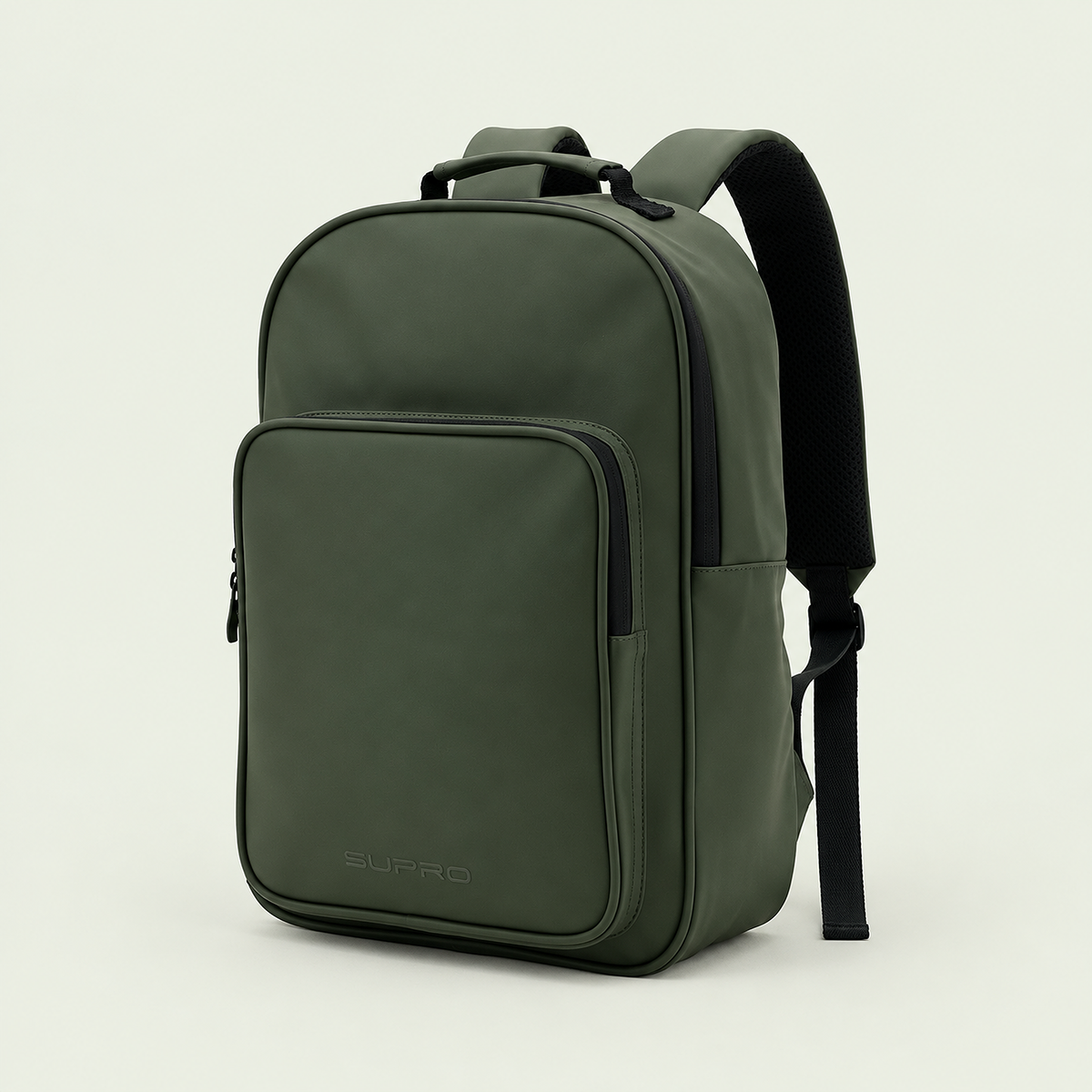
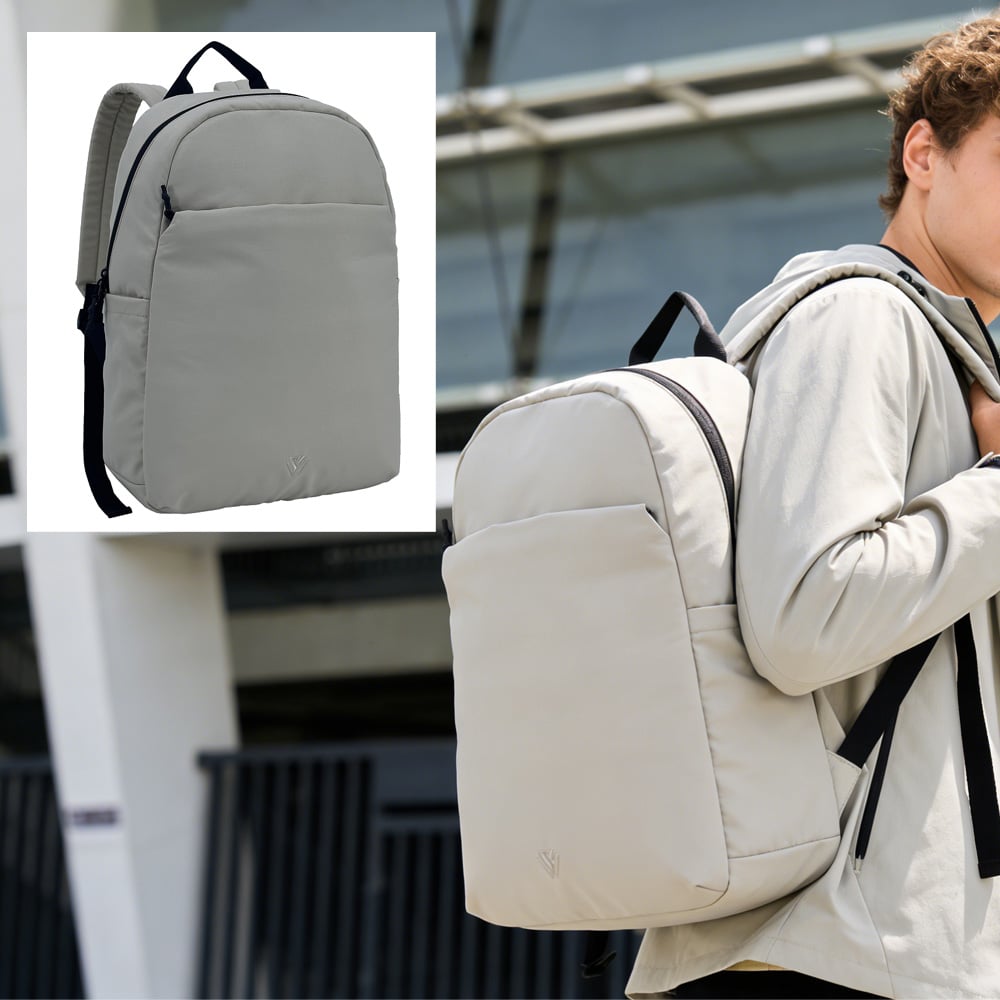
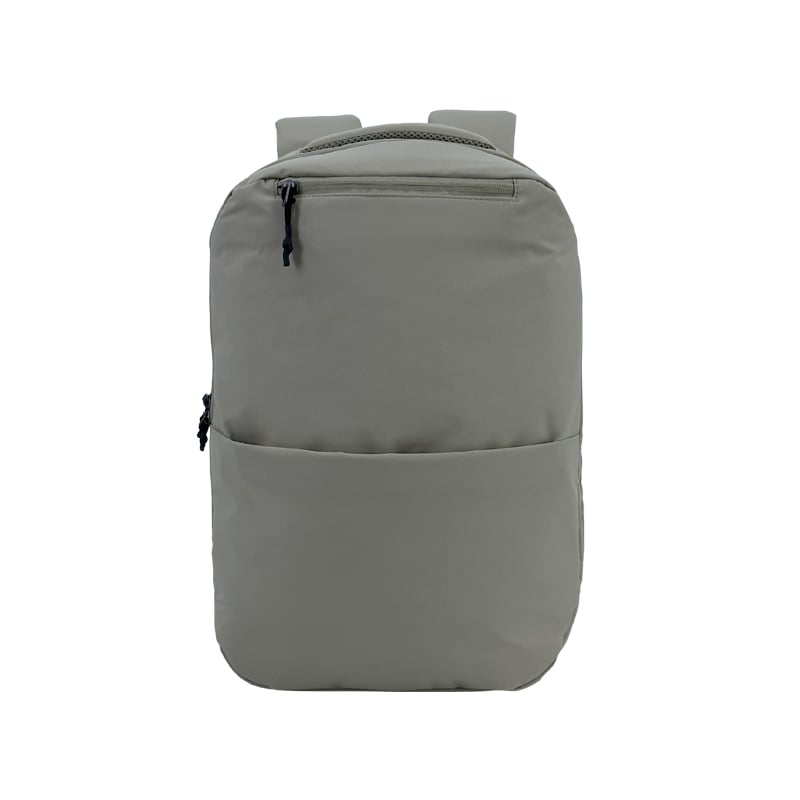
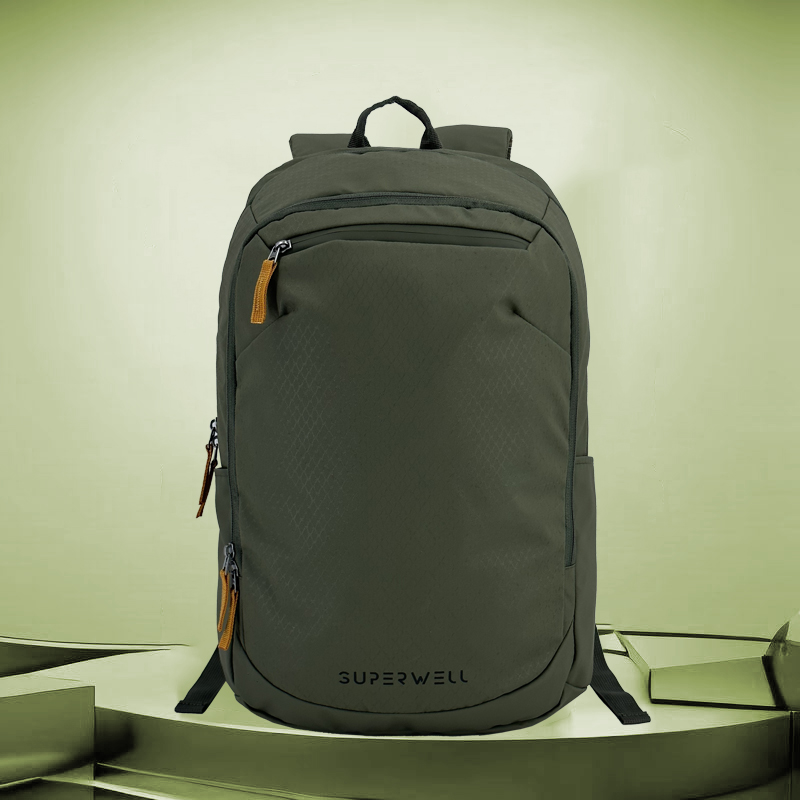
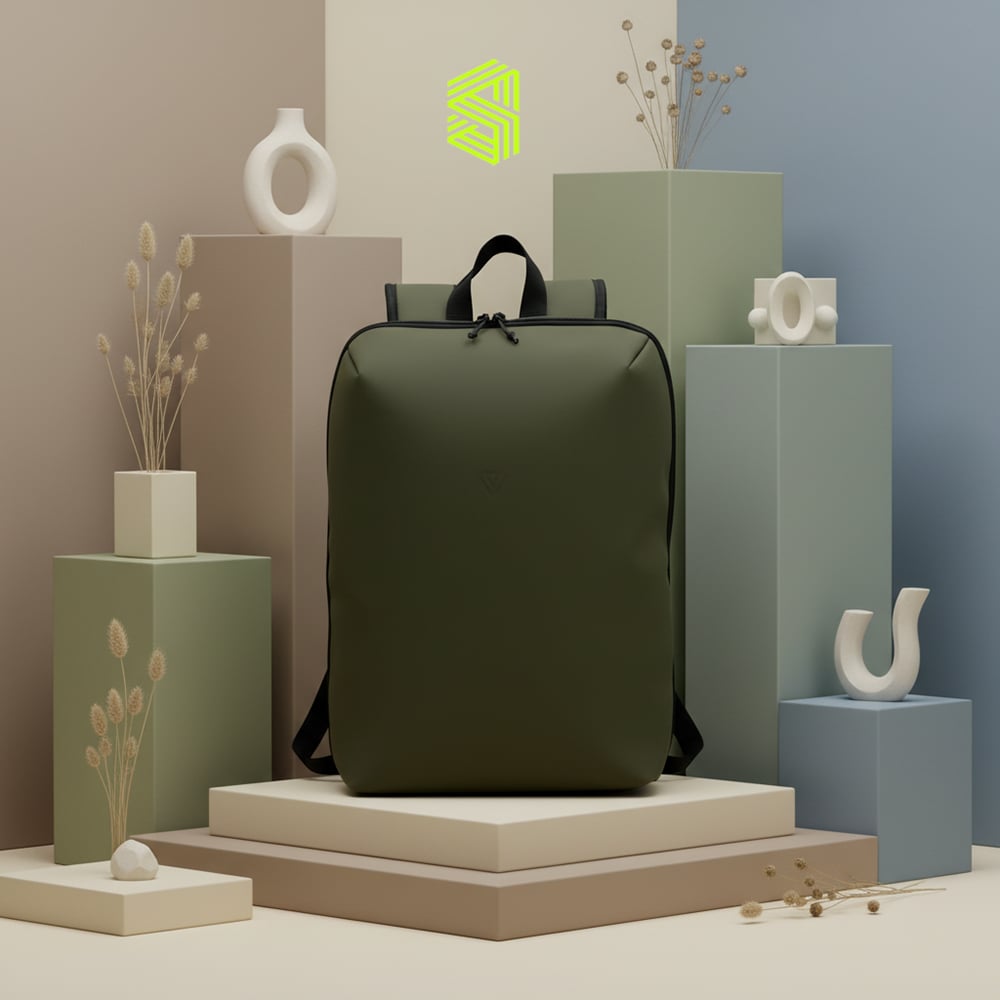
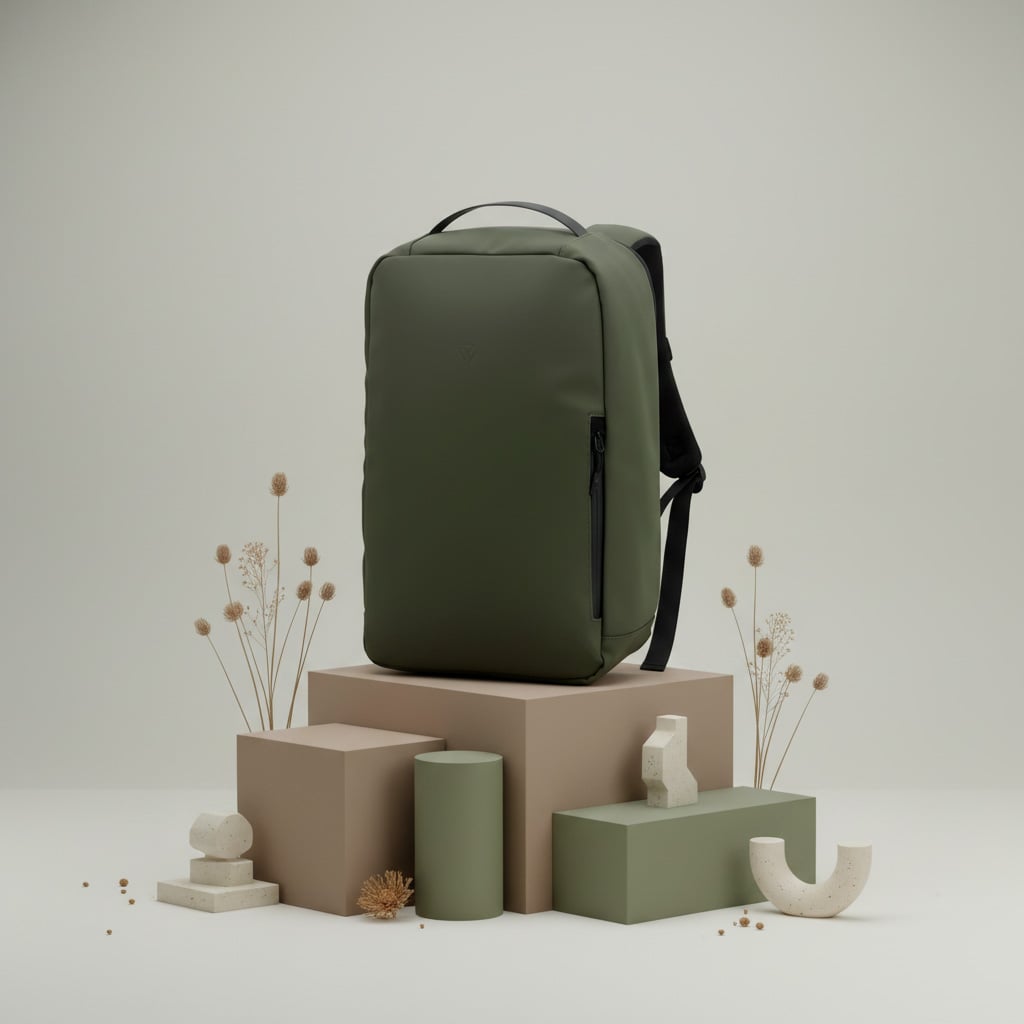
Backpacks are among the most versatile and consistently in-demand products in the bags and accessories market. For B2B buyers — whether sourcing backpacks for wholesale, retail distribution, corporate gifting, or private label development — understanding the full range of what this category covers is the starting point for a productive procurement process. This collection spans minimalist commuter styles, large-capacity laptop backpacks, eco-friendly R-PET business backpacks, quilted travel daypacks, and convertible 2-in-1 backpacks, each suited to a different end-user scenario and buyer requirement.
So what is the actual sourcing priority here — are you selecting backpacks for a retail launch targeting daily commuters, or looking for ODM customization for a branded corporate gifting program? The answer changes almost everything about which backpacks type, material specification, and production process to focus on.
Key Product Features
- Laptop-Compatible Backpacks: Several models in this range are designed to accommodate laptops up to 17.3 inches, with dedicated padded sleeves providing protection during transit. Laptop backpacks with wide-format compatibility remain a consistent sourcing category in North American and European professional markets.
- Eco-Friendly R-PET Backpacks: A segment of the collection is built from R-PET with solvent PU leather finish and R-PET 210D/pu lining, positioning these backpacks for buyers serving sustainability-focused retail channels or corporate ESG procurement requirements. Buyers with specific certification requirements should confirm GRS status for R-PET products separately.
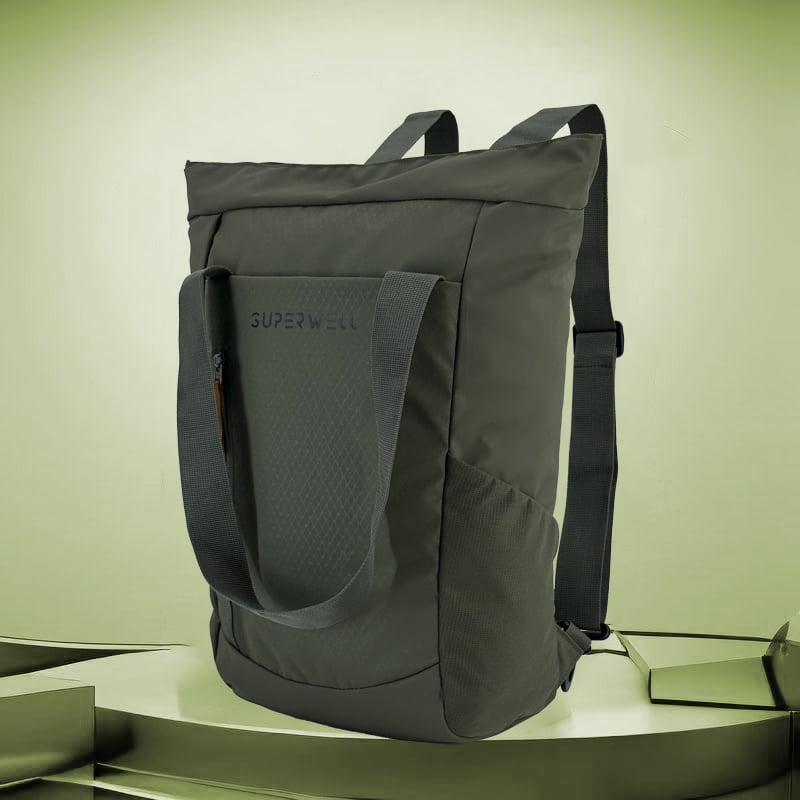
- Convertible Backpacks: The 2-in-1 convertible design offers both top-handle tote carry and deployable rear strap mode in a single product. These convertible backpacks support buyers who need multi-functional SKUs and reduce the requirement for separate product lines.
- Ergonomic Design: Padded shoulder straps and structured back panels are standard across commuter and travel backpacks in this range. In real use, weight distribution often reveals itself only when the bag is fully loaded with a laptop and water bottle — a detail invisible in product photos and easy to miss at initial inspection.
- Storage and Organization: Models range from minimalist single-compartment designs to multi-zone backpacks with front zipper pockets, dedicated laptop sleeves, and internal organizer sections. More interior organization pockets gives buyers a sense of control during evaluation — but over time, backpacks with simpler open main compartments often prove more versatile for travelers who pack differently on every trip.
- Durable Shell Materials: Available materials include 300D PU shell with 150D lining for travel and outdoor backpacks, and R-PET 1.2–1.3 solvent PU leather for the eco-business range, offering clear material tiers to match different market positioning requirements.
- OEM and ODM Capability: Backpacks in this category support logo application, colorway customization, and structural modification through full-service ODM capability — covering pattern development, material sourcing, sampling, revision, and production — enabling brand buyers to launch original designs without in-house infrastructure.
Common Applications
This selection of backpacks supports several distinct sourcing scenarios relevant to wholesale and B2B buyers in Europe, North America, and South America:
Daily Commute and Urban Office: Minimalist commuter backpacks combine a compact footprint with a dedicated laptop compartment and front zipper pocket. These products are well-suited for retail buyers serving office-going demographics in major European and North American urban markets.
Business Travel: Large-capacity laptop backpacks with 17.3-inch compatibility address the business travel segment, where buyers need products that transition between office and airport without a bag change. Convertible backpacks add tote-mode functionality for buyers sourcing for the work-travel crossover market — a segment showing consistent growth as hybrid work patterns increase demand for backpacks used on professional commutes.
Eco-Friendly Business Segment: R-PET backpacks target buyers who need to serve sustainability-focused retail channels or fulfill ESG procurement requirements. Both models use recycled materials throughout shell and lining, offering a documented material story that supports responsible sourcing positioning.
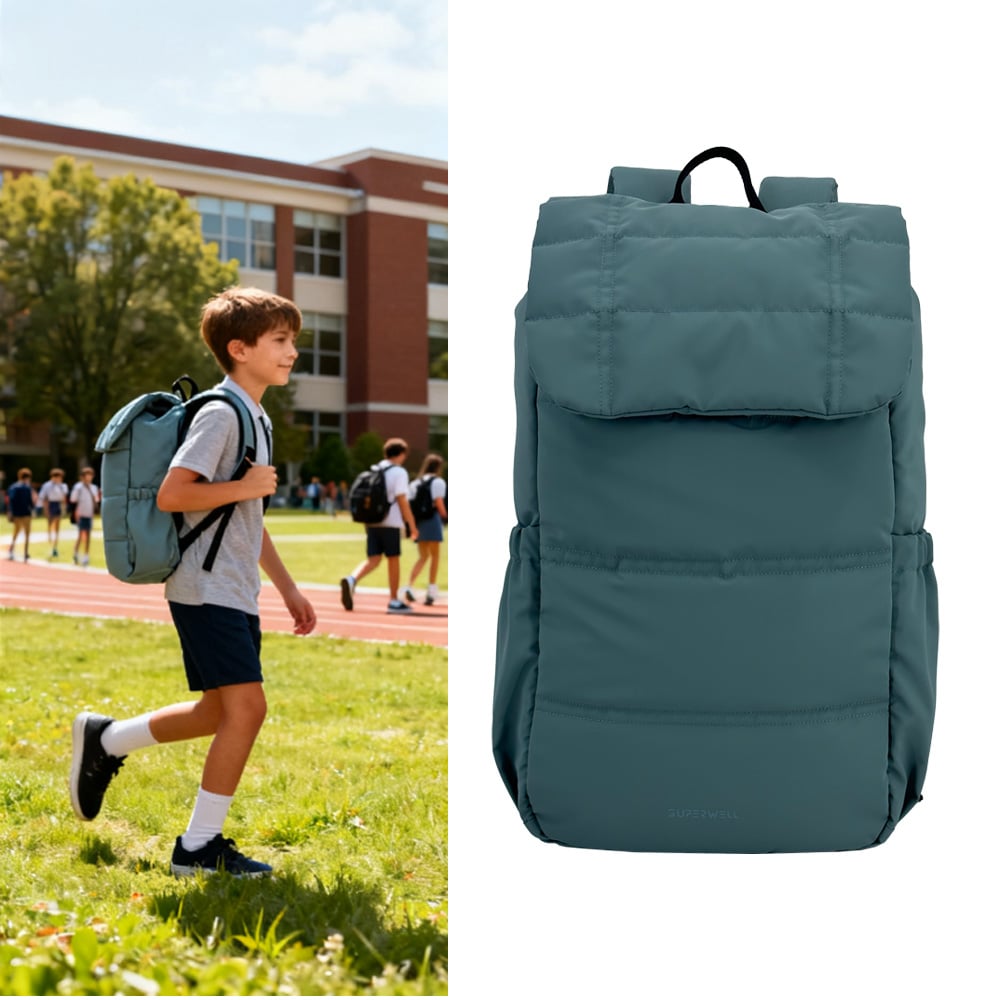
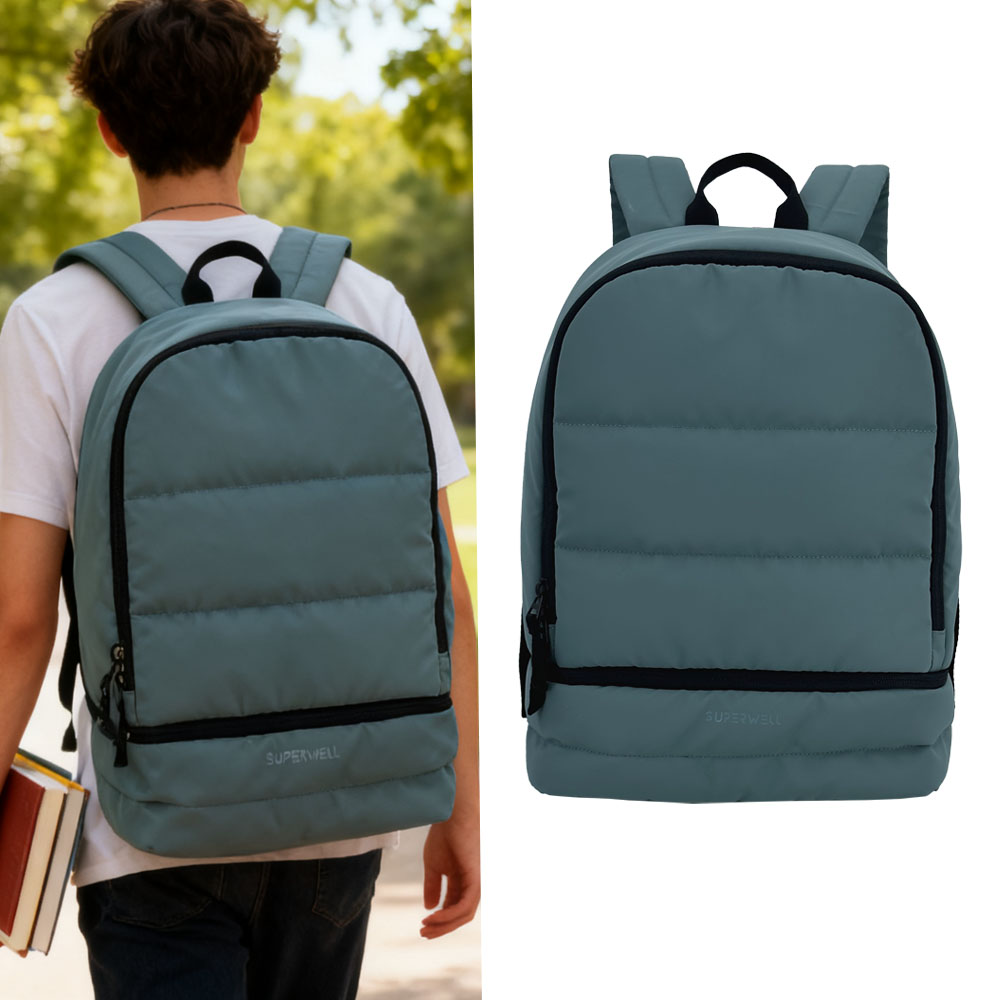
Outdoor and Travel: Quilted lightweight backpacks use 300D PU shell and water-resistant construction for outdoor and travel use cases. Multi-zone travel models include an independent storage compartment alongside a luggage sleeve for attaching to rolling luggage, relevant for frequent traveler segments in all three target regions.
Promotional and Corporate Gifting: Lightweight crossbody and sling backpacks support promotional merchandise, gifting, and gym bag sourcing requirements, with OEM custom logo application available for corporate branding programs. These backpacks are often sourced in bulk for events, employee programs, and seasonal campaigns.
How to Choose the Right Backpacks
Comparing laptop compartment dimensions across backpacks can go on indefinitely — at some point, the more useful question becomes: do these backpacks actually work for a daily commuter who also flies carry-on once a month, or for a corporate gifting buyer who needs hundreds of branded units?
- End-user use case: Commute-focused buyers should prioritize backpacks with compact dimensions and dedicated laptop organization. Travel-focused buyers need larger-capacity models with luggage sleeve compatibility and durable exterior materials. If sustainability positioning is the priority, R-PET backpacks are the more suitable choice — but if cost sensitivity is the primary constraint, 300D PU shell options offer comparable carry performance at a different price tier.
- Laptop size requirements: Backpacks in this range that specify 17.3-inch compatibility are optimized for North American and European professional laptop markets. Buyers sourcing for markets where 15-inch is the dominant size should verify sleeve dimensions before placing bulk orders — specification mismatches are one of the most common friction points when ordering laptop backpacks at scale.
- Material and market positioning: R-PET backpacks and standard PU shell models both perform well for professional buyers; where they diverge is in the sustainability narrative available to your brand. Both types of backpacks serve European and North American markets effectively under different buyer briefs.
- Customization requirements: If your program needs custom logo, colorway, or structural modification on backpacks, confirm ODM availability and sample lead time at inquiry stage. Full-service ODM capability can significantly reduce development overhead for brand buyers launching original designs without internal resources.
- Volume and quality consistency: In the end, what most B2B buyers care about when backpacks arrive is whether zippers operate smoothly on the first pull and whether strap stitching holds under load — everything else is table stakes. Quality inconsistency between approved samples and bulk production is among the highest-impact sourcing risks in this category. Confirm quality control processes before committing to large-volume orders.
Why This Backpacks Collection Matters for B2B Buyers
The backpacks category sits at the intersection of several durable market trends. The workspace bag segment is showing growth as hybrid work patterns increase demand for backpacks that perform equally well in office environments and transit systems. Simultaneously, sustainability requirements from European retail buyers and corporate procurement teams are elevating R-PET backpacks from a niche option to a qualifying specification for certain channels.
The bags and accessories industry has a strong ODM and OEM culture: most B2B buyers source finished backpacks or custom-designed versions rather than manufacturing in-house, which means supplier design capability, customization flexibility, and quality consistency between sample and bulk production are the real sourcing differentiators. Quality inconsistency in stitching tension, hardware finish, and fabric color — measured against approved samples — is among the highest-impact production risks buyers face in this category.
For wholesale buyers across Europe, North America, and South America, this backpacks collection covers the primary sourcing sub-segments: commuter backpacks, business travel backpacks, eco-friendly backpacks, outdoor backpacks, and convertible multi-use styles. Whether the priority is a cost-effective commuter range, R-PET backpacks for a sustainability-focused brand, or fully customized ODM designs for a corporate gifting program, the sourcing conversation starts with aligning use case and specification requirements before the first sample order is placed.