
 EN
Wholesale Luggages: Category Overview
This Luggages collection covers softside carry-on suitcases, airline-approved spinner luggages, and heavy-duty rolling duffel formats designed for the full range of travel demands — from business carry-on to 150L cargo applications. Buyers evaluating wholesale luggages need to assess more than product style: the critical questions are whether the material specifications, construction quality, and production consistency of the luggages match end-buyer use conditions across a full batch order. From 20-inch cabin-compliant luggages to oversized rolling duffels, this range addresses the practical sourcing requirements of B2B procurement managers serving European, North American, and South American markets.
Global demand for luggages tracks closely with international travel volumes. As travel activity continues to rebuild and expand across target markets, wholesale buyers sourcing luggages are re-evaluating their supplier relationships. Buyers who need a reliable manufacturing partner capable of handling multi-SKU luggages orders — carry-ons, checked luggages, and large-format duffels — within a consolidated supply relationship have a concrete opportunity to consolidate their luggages sourcing with a single capable supplier.
Key Characteristics of This Luggages Range
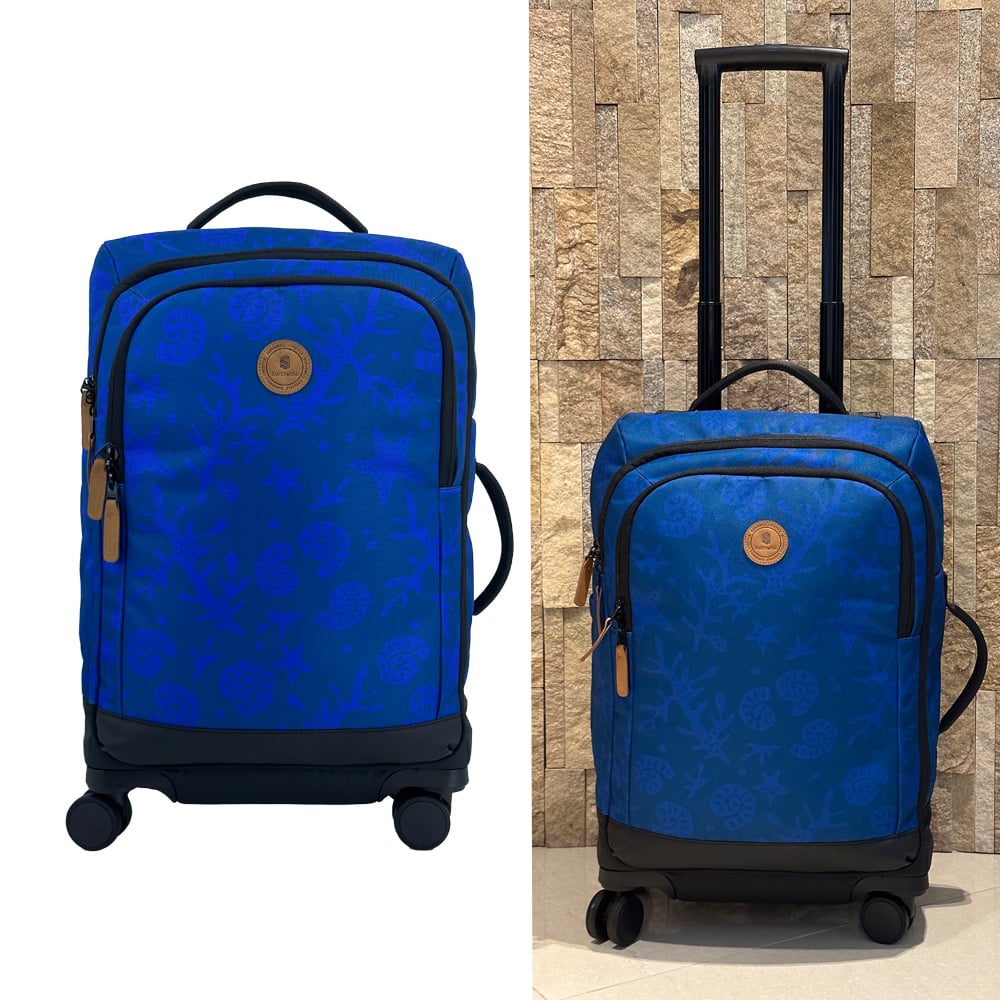
- Softside Shell Construction (900D PU-Coated Fabric): The carry-on luggages in this range are built with 900D PU-coated shell fabric — a material that combines abrasion resistance with structural flexibility. Unlike rigid polymer shells, softside luggages construction flexes under compression and recovers without cracking, making it well-suited for checked baggage environments where handling loads are unpredictable. Interior lining is 210D/PU, which holds shape and resists moisture transfer from shell to contents in these luggages.
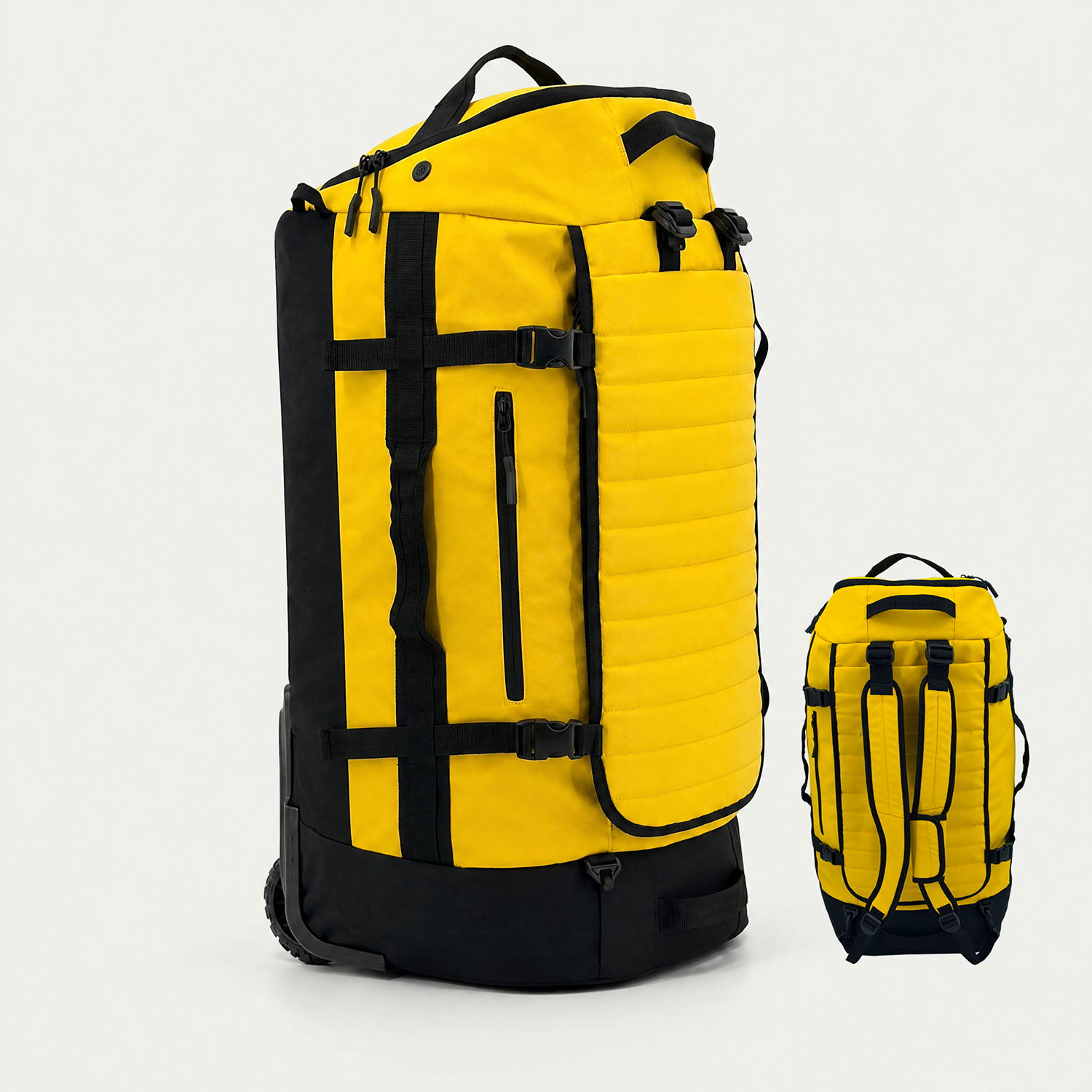
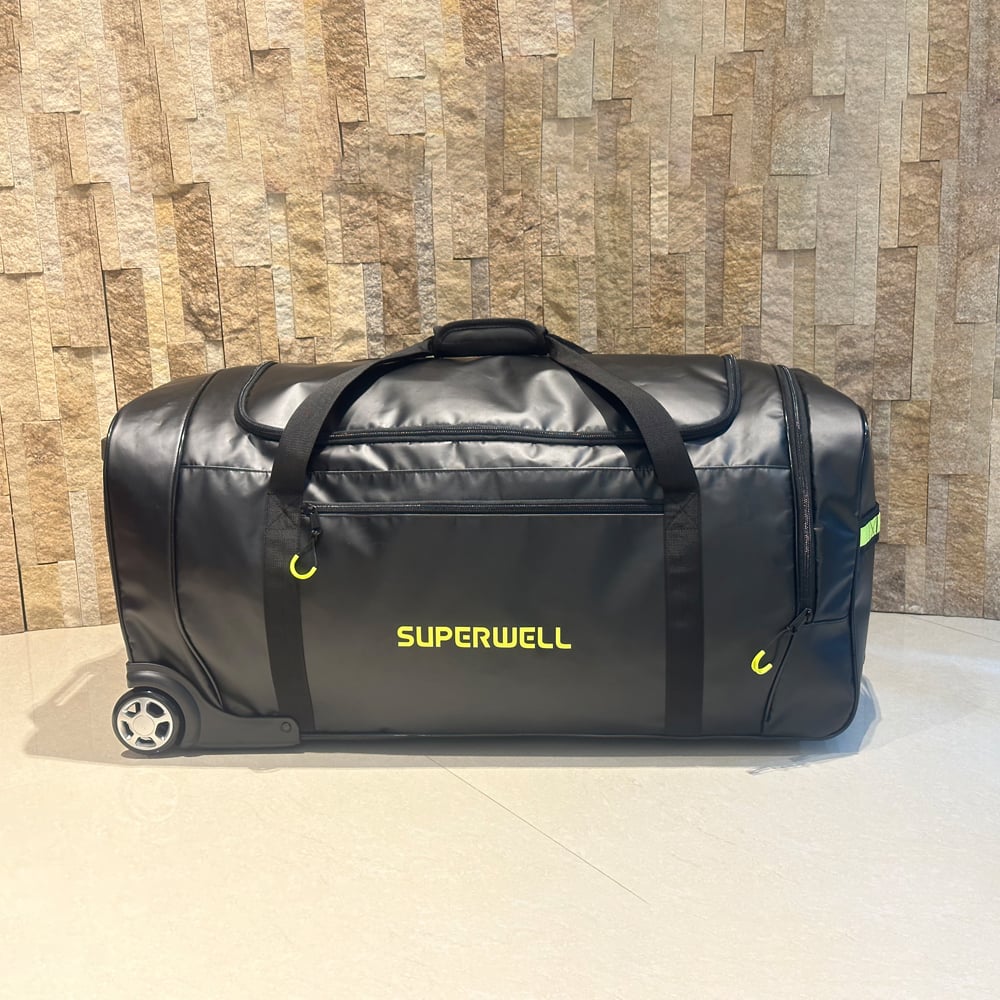
- High-Capacity Cargo Luggages (150L Tarpaulin): The 150L rolling travel duffel format within this luggages range is constructed with 500D tarpaulin fabric — a material selected for its tear strength and weather resistance in high-load applications. This luggages format serves buyers sourcing for tour operators, long-haul group travel programs, camping outfitters, or bulk cargo transport where packing volume is the primary specification.
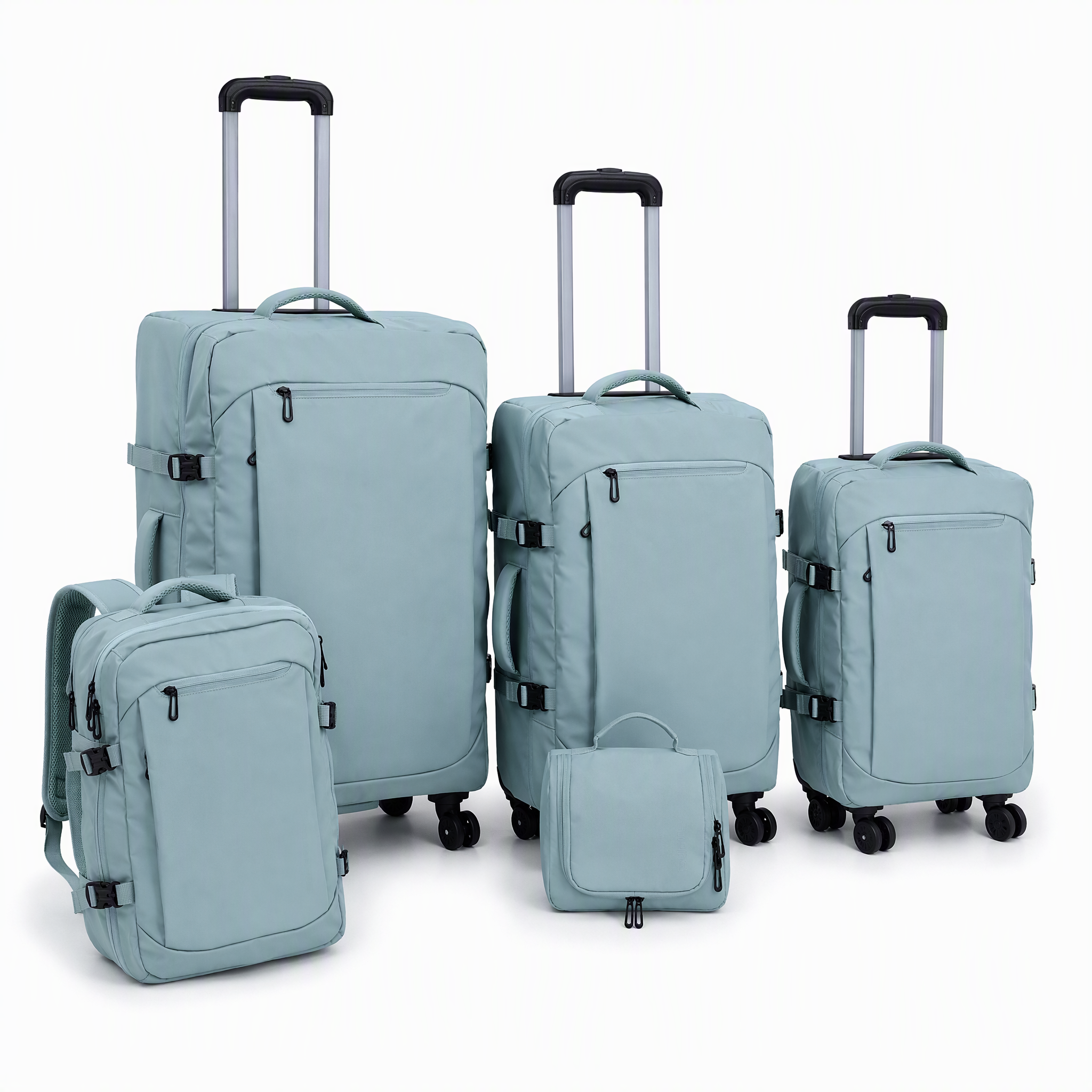
- 4-Spinner Wheel Systems: The airline-approved luggages models feature 4-spinner wheel configurations enabling 360-degree movement. In practical use, spinner wheel quality is one of the most buyer-visible quality signals in the luggages category: smooth rotation, bearing durability, and secure wheel housing attachment are all dimensions worth specifying at the sample stage before placing bulk luggages orders.
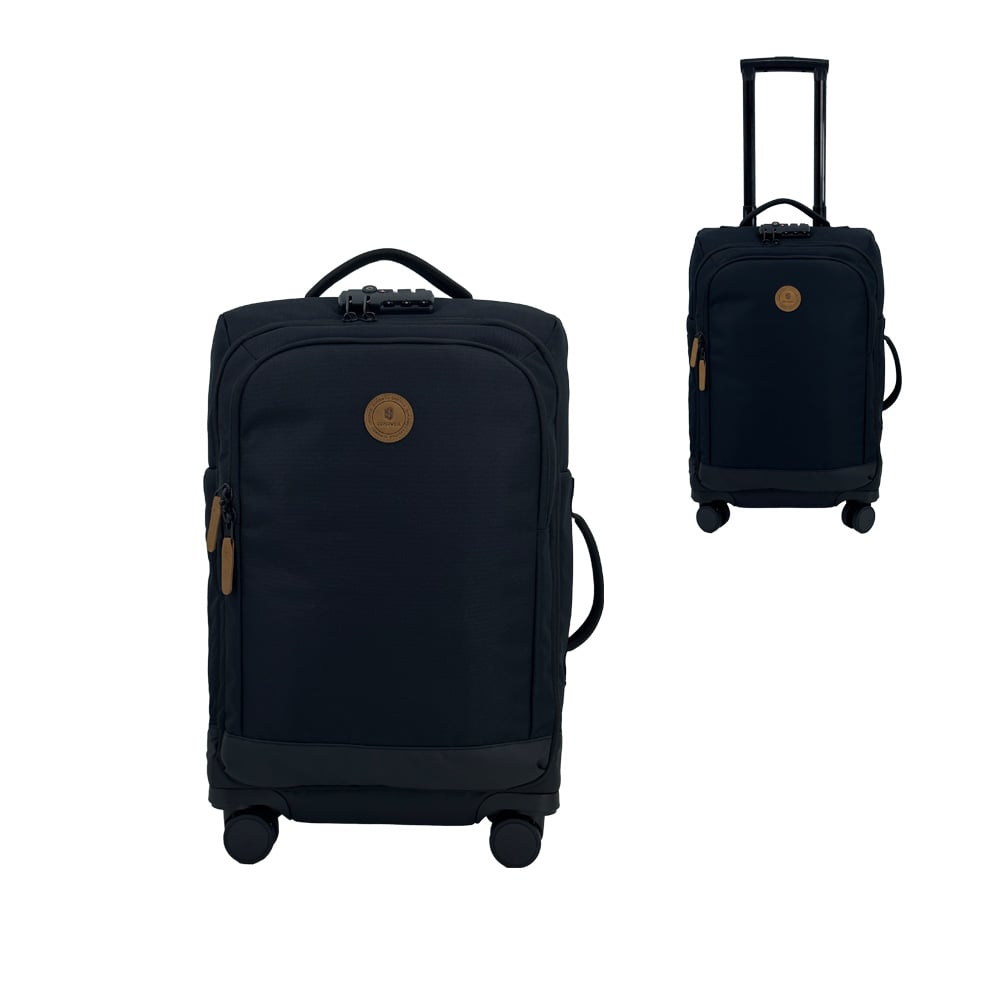
- Integrated Security Locking: Select luggages in this range include built-in security lock mechanisms. For wholesale buyers targeting North American and European retail or corporate distribution, verifying lock specification and compatibility with destination market requirements at the design confirmation stage prevents compliance friction in these luggages downstream.
- Organized Interior Layouts: Laptop compartments and structured interior dividers are incorporated into the carry-on luggages designs, supporting business travel and corporate gifting applications where organized access to documents and devices during transit is a buyer requirement.
Common Applications for Wholesale Luggages Buyers
Consider a practical luggages procurement scenario: a cross-border e-commerce seller sourcing luggages for European market distribution. The primary procurement criteria for these luggages are cabin compliance with major European carrier size standards, shell weight that keeps the empty luggages within practical carry-on limits, and a construction that performs consistently after repeated use. The 20-inch softside luggages in this range address the size and capacity requirements. Anyway, the more important specification layer — the one that determines return rates and repeat order likelihood for these luggages — is the zipper construction, wheel attachment integrity, and handle extension mechanism performance across real-use cycles, not just a single inspection pass.
A second luggages application: a wholesale buyer sourcing large-format rolling luggages for a tour operator, outdoor travel brand, or corporate travel program. The 150L tarpaulin luggages format handles oversize cargo and high-volume packing demands that standard checked luggages formats cannot accommodate. The tarpaulin fabric's weather resistance is a practical advantage in outdoor or mixed-environment transport scenarios where the luggages are exposed to rain, rough surfaces, or loading dock conditions.
How to Choose the Right Luggages
When evaluating luggages for wholesale procurement, shell material specification is the dimension most likely to predict how the luggages perform under real conditions. Softside luggages — the 900D PU-coated constructions in this range — offer flexibility and compression recovery, which reduces the risk of visible surface damage after checked baggage handling. Hardshell luggages distribute impact loads differently and offer stronger protection for fragile contents, but add structural rigidity that can create pressure points under sustained compression. The right luggages type depends on the end buyer's primary use environment and the airline handling exposure their luggages will face.
Durability and pack weight are directly in tension when selecting luggages for carry-on applications. Prioritizing structural reinforcement in luggages typically means accepting additional material weight — and in cabin carry-on luggages, that weight margin matters to end buyers managing airline weight limits. Locking in the weight specification for these luggages before production, rather than discovering it at shipment stage, prevents margin-eroding revisions later in the procurement cycle.
One distinction worth being specific about in luggages listings: water-resistant and waterproof are not equivalent performance claims. The PU-coated shell fabrics in these luggages handle rain exposure and light moisture contact well. Sustained precipitation or direct submersion exceeds that protection level for this luggages construction. Being precise about this in wholesale luggages listings reduces end-consumer complaint rates and return friction — particularly for buyers selling luggages into Northern European markets where weather exposure is a genuine use condition.
For buyers targeting airline carry-on compliance: luggages confirmed compliant with one carrier's published dimensions may encounter stricter enforcement at other airlines or aircraft configurations. Validating carry-on luggages specifications against the target markets' most common airline requirements — rather than relying on general labeling — is worth doing at the sample confirmation stage for these luggages, particularly when the end buyer base includes frequent flyers or business travelers. Luggages designed around laptop pockets or rigid structural panels can also run into layflat opening requirements at airport security — a consideration that matters more to frequent-flyer buyers than product photos typically convey.
Why This Luggages Range Fits B2B Procurement
Material sourcing consistency is a structural differentiator in wholesale luggages procurement. Luggages production draws on multiple input materials — shell fabric, zipper tape, wheel components, lining, handle assemblies — each with its own supply chain and quality control point. Suppliers with traceable material sourcing and consistent in-process QC are better positioned to replicate sample quality across bulk luggages batches. In the end, what procurement managers care about most after the first luggages order is whether the zipper still pulls smoothly, the wheels roll without drag, and the stitching holds under load — the specification work that matters for these luggages happens before the production run starts, not after inspection.
Two recurring quality issues in B2B luggages sourcing are worth flagging explicitly: sample-to-bulk deviation, where bulk luggages production deviates from the approved sample on stitching consistency, hardware finish, or fabric color matching; and post-delivery zipper failure, where component performance in the luggages degrades within the first months of end-consumer use despite passing pre-shipment inspection. Both issues with luggages are addressable through explicit component specification and supplier process transparency — but they require being raised at the sourcing and sampling stage rather than assumed away after a single luggages sample pass.
This Luggages range is produced by Quanzhou Superwell Imp. & Exp. Co., Ltd., operating from Quanzhou's established bag and textile manufacturing cluster. The local supplier ecosystem supports competitive component sourcing and shorter sample turnaround for these luggages relative to manufacturers without the same local supply chain access. Buyers sourcing both luggages and bag categories can consolidate orders within a single supplier relationship, reducing the vendor management complexity that comes with managing separate luggages and backpack supply chains.