
 EN

Wholesale Bags Overview for B2B Buyers
The bags category covers a wide product range — including crossbody bags, shoulder bags, tote bags, travel duffels, gym bags, sling bags, and everyday carry options. For B2B buyers, wholesale bags represent a procurement category that rewards clarity about end use, target market, and customization depth before comparing suppliers. Whether you are sourcing bags for retail distribution, corporate gifting, promotional programs, or cross-border e-commerce, the product decisions you make upstream affect cost, lead time, and sell-through significantly.
Sourcing bags for European, North American, or South American distribution requires matching the right bag style, specification, and price tier to the actual buyer segment you serve. A fashion retailer in Paris and a corporate gifting company in Toronto are both ordering bags — but their requirements for material, construction, lead time, and branding options diverge in ways that matter before the first RFQ is issued.
Types of Wholesale Bags in This Category
Understanding which bags belong in this category helps buyers focus sourcing decisions on the product types most relevant to their market. The bags covered in this wholesale category include:
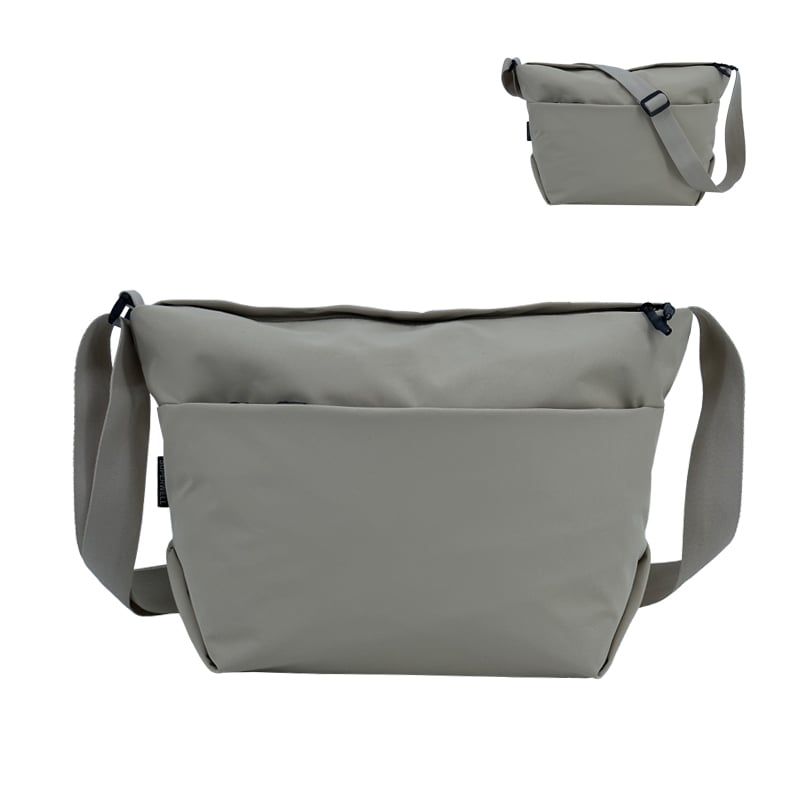
- Crossbody Bags: Lightweight crossbody bags designed for travel, casual carry, and promotional programs. Crossbody bags in the wholesale segment typically use nylon or polyester outer fabric with multi-pocket layouts suited to day trips and urban commuting.
- Shoulder Bags: Shoulder bags for everyday use and travel, available in a range of sizes. Shoulder bags in this category are commonly sourced for retail, gifting, and branded merchandise programs.
- Sling Bags and Gym Bags: Single-strap sling bags and open-compartment gym bags for active use segments. These bags prioritize functional simplicity, durable construction, and easy-clean interiors.
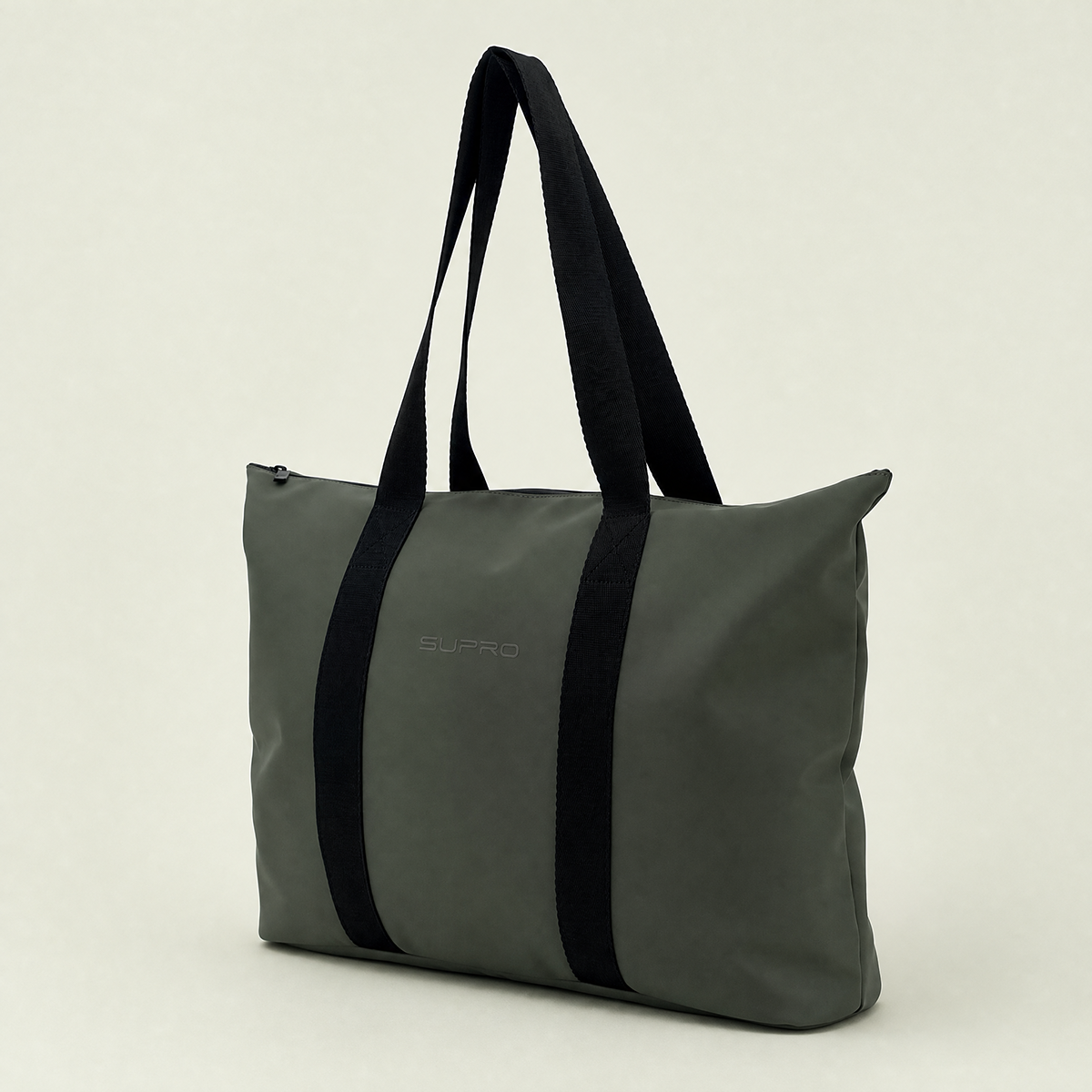
- Tote Bags: Versatile open-top bags for casual carry, promotional giveaways, and branded use. Tote bags are among the most frequently customized bags in the wholesale channel.
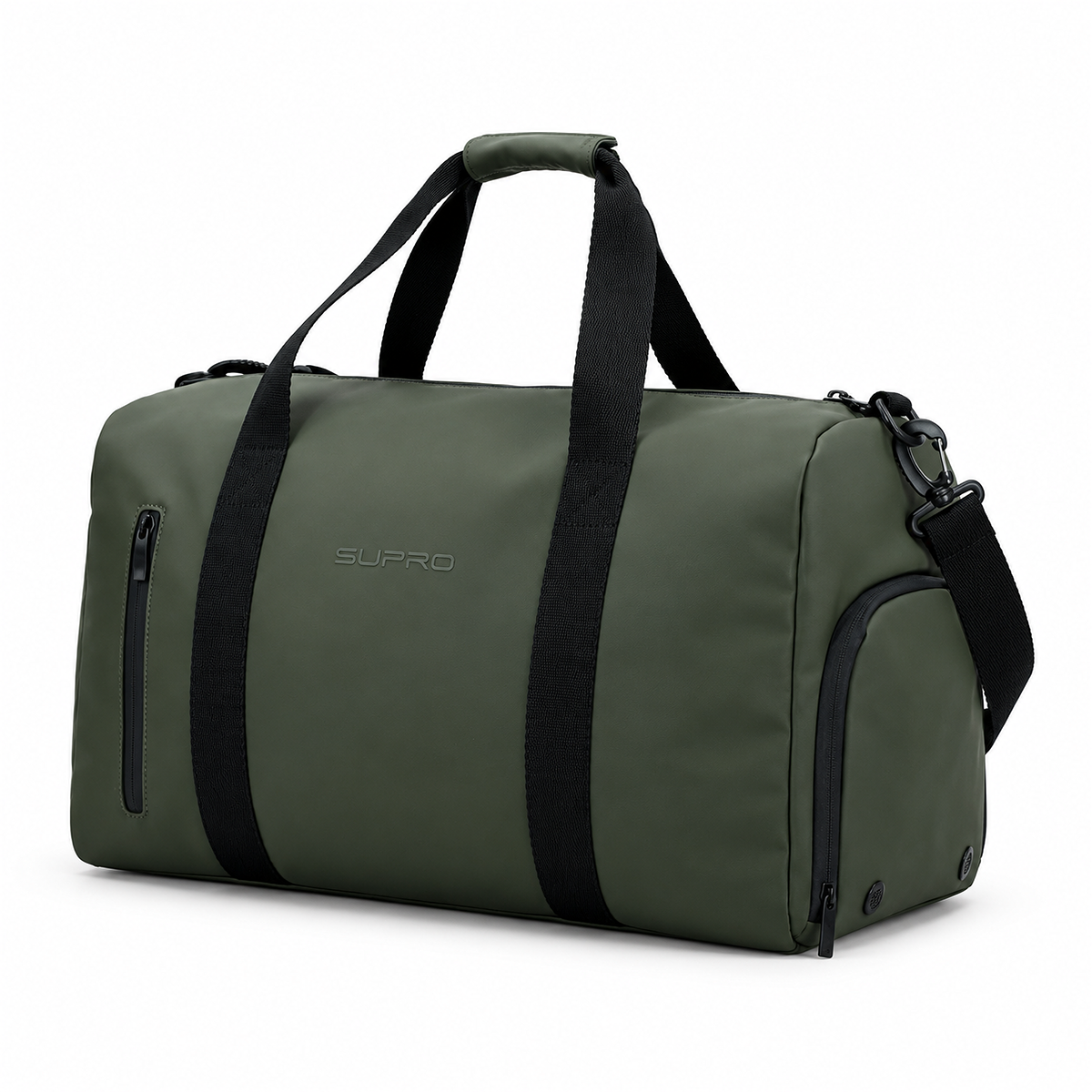
- Travel Duffels: Larger-capacity bags for travel, sport, and overnight use. Travel duffel bags may include shoulder straps, carry handles, and external pocket configurations suited to different transit scenarios.
Key Product Characteristics for Wholesale Bags
Wholesale bags in the mid-market tier — where most B2B procurement happens — share several production characteristics that buyers should evaluate before issuing an order:
- Fabric and Construction: Most functional bags in this category use polyester, nylon, or canvas outer fabric. For buyers sourcing bags with water-resistance requirements, look for bags with a DWR or PU-coated outer shell. Water-resistant bags maintain functional appearance under light rain conditions during daily commutes and short trips — though water-resistant and fully waterproof are not the same distinction, and buyers should set end-consumer expectations accordingly.
- Hardware and Zipper Quality: Zippers, buckles, and adjusters account for a significant share of the total cost in functional bags and are a primary source of buyer complaints when quality is insufficient. In practice, what most buyers focus on once bags arrive is whether the zipper pulls smoothly on first use and whether strap stitching holds under load.
- Dimensional Specifications: Bags sized for one market may create friction in another. Interior dimensions optimized for one region's common laptop sizes may not match the laptop distribution in European or North American markets, leading to specification mismatches that surface only after delivery. For bags intended for international markets, confirming dimensional alignment at the specification stage is more cost-effective than handling returns later.
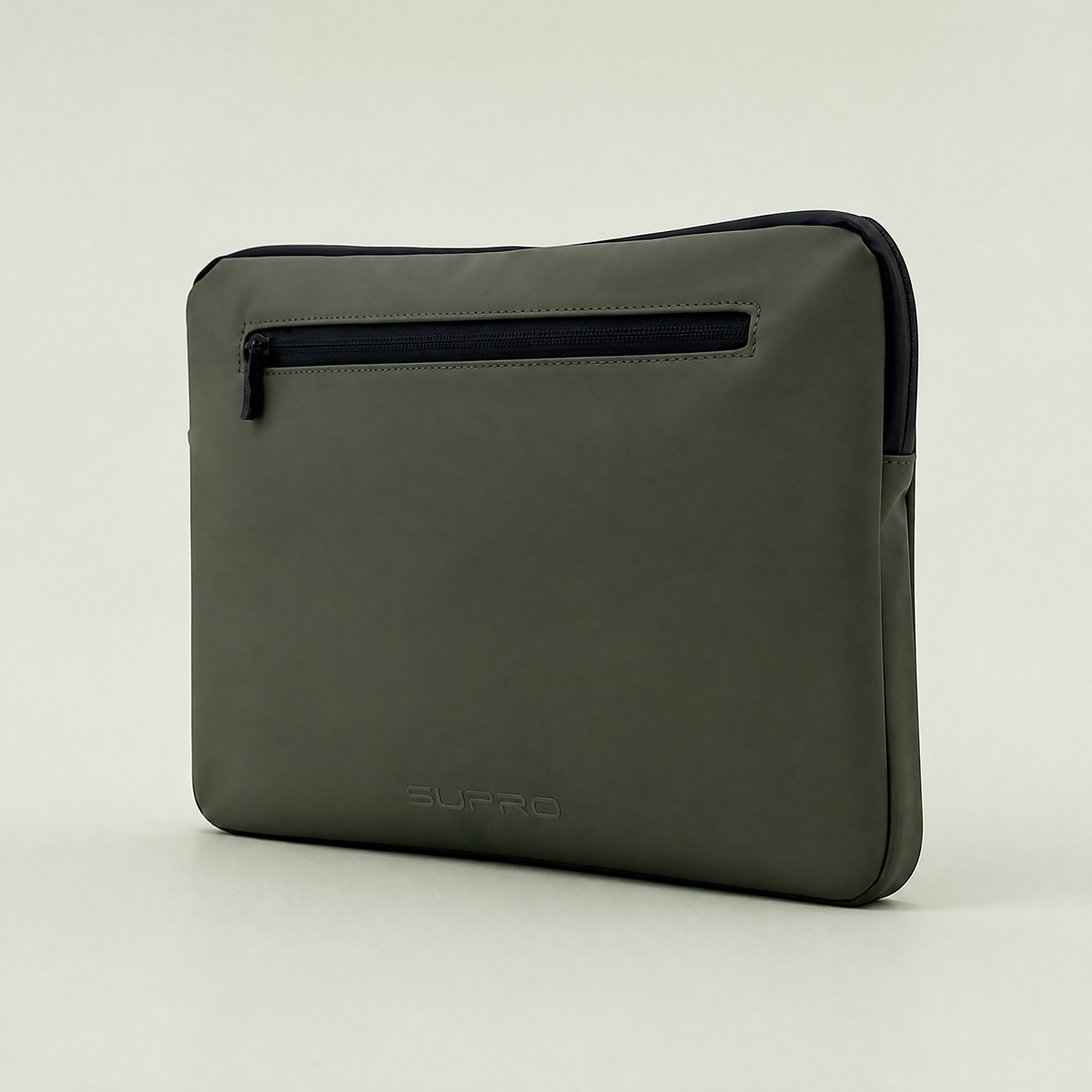
- Internal Organization: Multi-pocket layouts, dedicated device sleeves, and organized compartments add perceived value in commuter and travel bags. For gym bags and casual carry bags, a clean open main compartment is often more functional than a heavily structured interior. Buyers sourcing bags for mass retail frequently prefer simpler interiors to contain production cost.
- Weight and Portability: Lightweight construction is a consistent purchasing consideration for crossbody, shoulder, and travel bags. Buyers sourcing bags for European and North American markets — where weight allowances affect traveler decisions — often treat bag weight as a qualifying criterion rather than a bonus feature.
How to Choose the Right Wholesale Bags
Sourcing bags for B2B distribution involves more than comparing per-unit prices. Experienced wholesale buyers consistently evaluate these dimensions when selecting bags:
MOQ Flexibility: The gap between what manufacturers require for efficient production and what smaller buyers can commit to is a persistent friction point in the bags category. For cross-border e-commerce sellers or boutique retailers testing new bags without prior sell-through data, committing to a large production run carries real inventory risk. When evaluating suppliers for bags, the MOQ structure — and whether trial orders are available at workable unit economics — often signals how practical the partnership will be across reorder cycles.
ODM vs. OEM Alignment: If you need to bring a custom design to production, you need a supplier with genuine ODM capability covering concept development, pattern making, material sourcing, sampling, and revision through to bulk production of bags. If you already have finalized designs and need a manufacturer to execute them, OEM is the appropriate model for your bags production. In practice, a challenge many B2B buyers encounter is finding a supplier who can handle both — supporting early-stage design development for new bags and then scaling into reliable OEM bulk production — without requiring you to choose between design capability and production consistency.
Market-Specific Sizing: If your buyers are primarily in Northern Europe or North America and carry compatibility matters to their end customers, dimensional specifications for bags deserve more attention early in the sourcing process. If you are sourcing bags for price-sensitive wholesale markets where specification depth matters less than cost tier and delivery reliability, the evaluation priorities look different.
Customization Depth for Bags: Customization options for wholesale bags range from basic logo application — embroidery, screen printing, and heat transfer on the bag exterior — to full silhouette, material, and hardware design. The more custom the bags brief, the more important it is to factor in sampling and revision rounds in your procurement timeline, not only bulk production lead time.
Why Wholesale Bags Matter for B2B Buyers
The wholesale bags market is highly fragmented, with buyers ranging from large retail chains and corporate gifting companies to small cross-border e-commerce entrepreneurs. Each buyer segment has distinct MOQ, lead time, and price expectations for bags, and suppliers that can serve multiple buyer profiles — offering flexible trial order structures for smaller accounts while maintaining production efficiency for larger ones — represent a more versatile sourcing relationship for bags procurement.
The bags industry operates with a strong ODM and OEM culture. Most B2B buyers source finished bags or custom-designed bags rather than manufacturing in-house, since bag production requires specialized equipment, skilled labor, and established material supply chains that most brands and retailers have no incentive to build themselves. Suppliers with genuine customization depth for bags occupy a more defensible position in this market, as customization capability creates switching costs that catalog-only bags suppliers cannot match.
For buyers building a multi-format collection — combining crossbody bags, tote bags, shoulder bags, and travel duffels under a single brand or procurement relationship — consolidating bags sourcing simplifies color matching, hardware consistency, and logistical coordination across the range. Whether a supplier can support that product range breadth in bags is worth verifying at the inquiry stage rather than discovering mid-collection.
Common purchasing considerations for wholesale bags include material durability and waterproofing, weight capacity and strap construction quality, design and color customization options, MOQ flexibility, and export packaging reliability. Identifying which of these dimensions matters most to your specific bags distribution channel — and which trade-offs you are prepared to make — is the most productive starting point for a sourcing conversation in this category.