
 EN
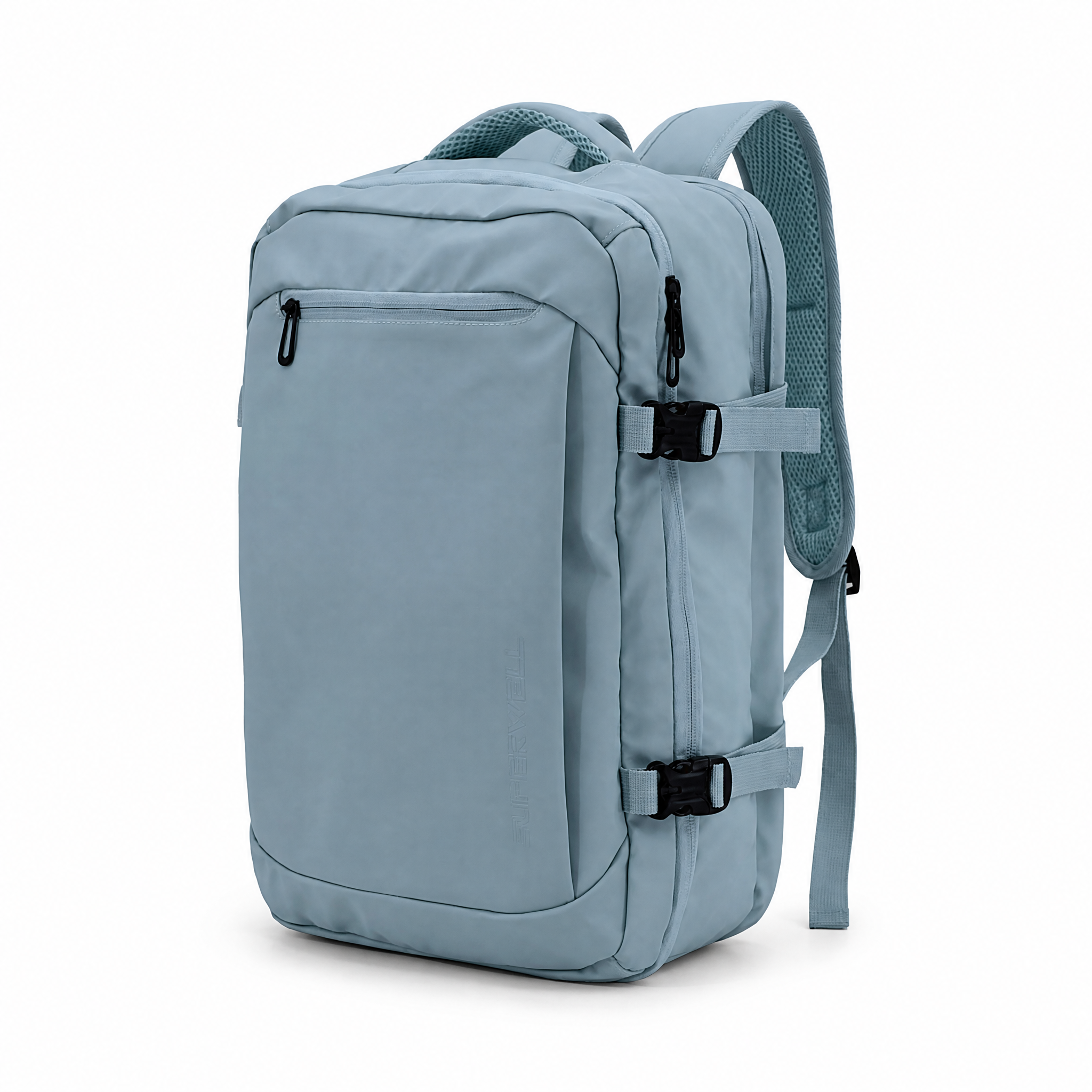
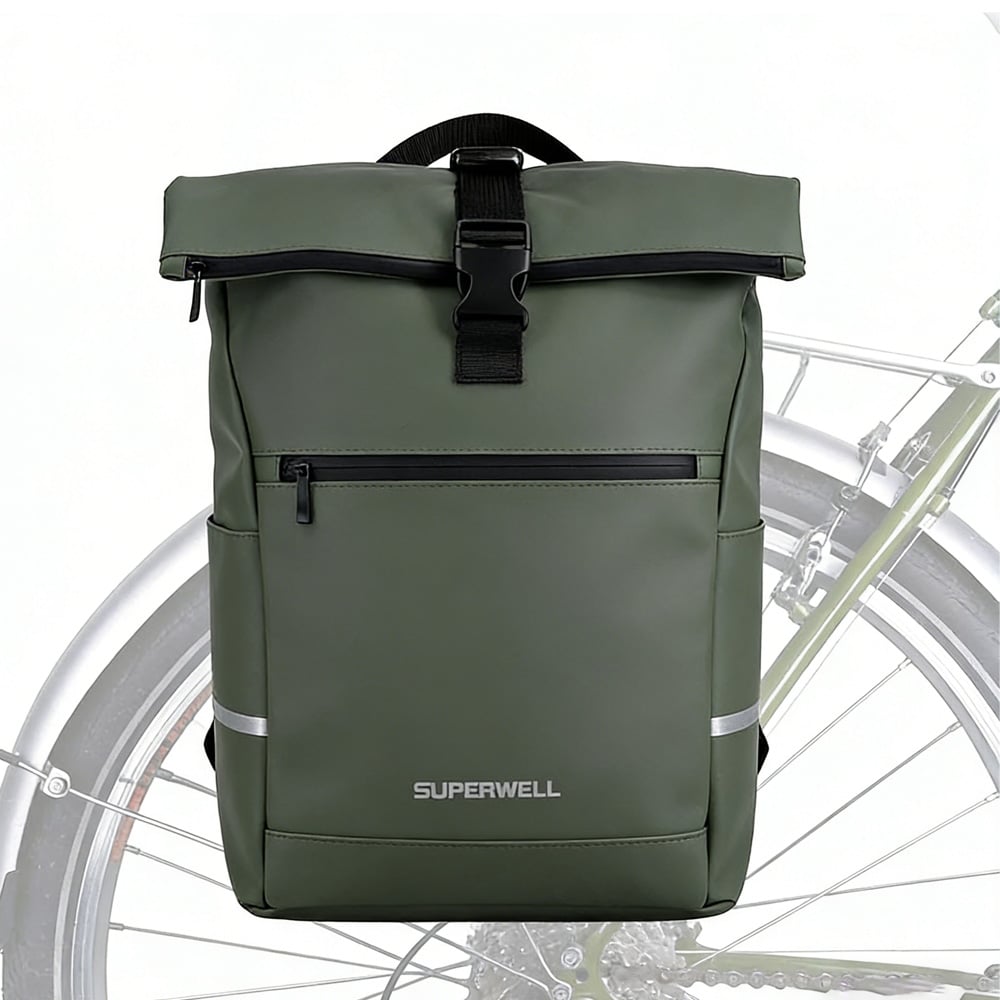
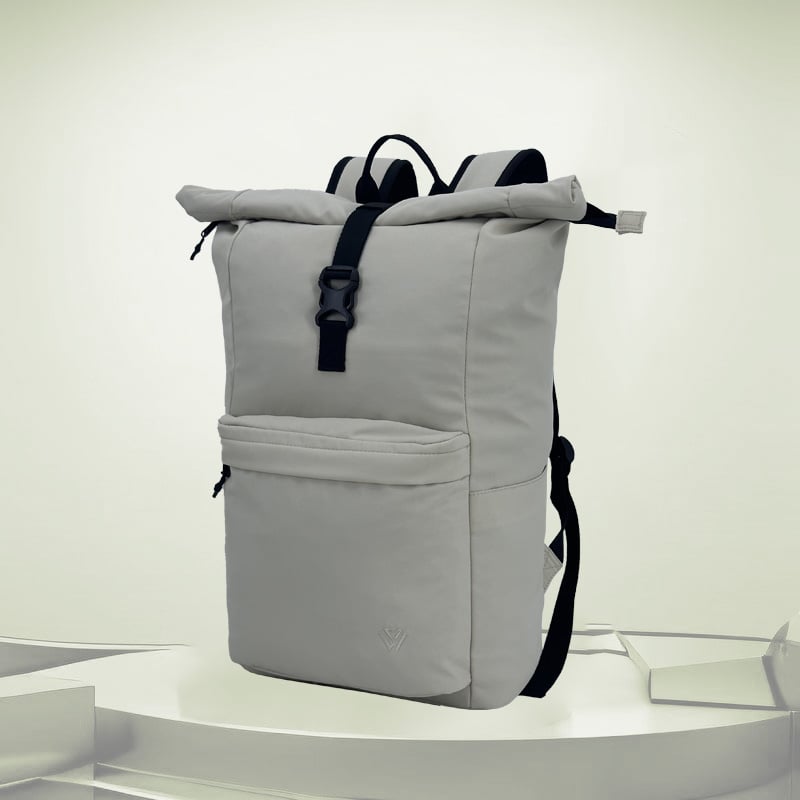
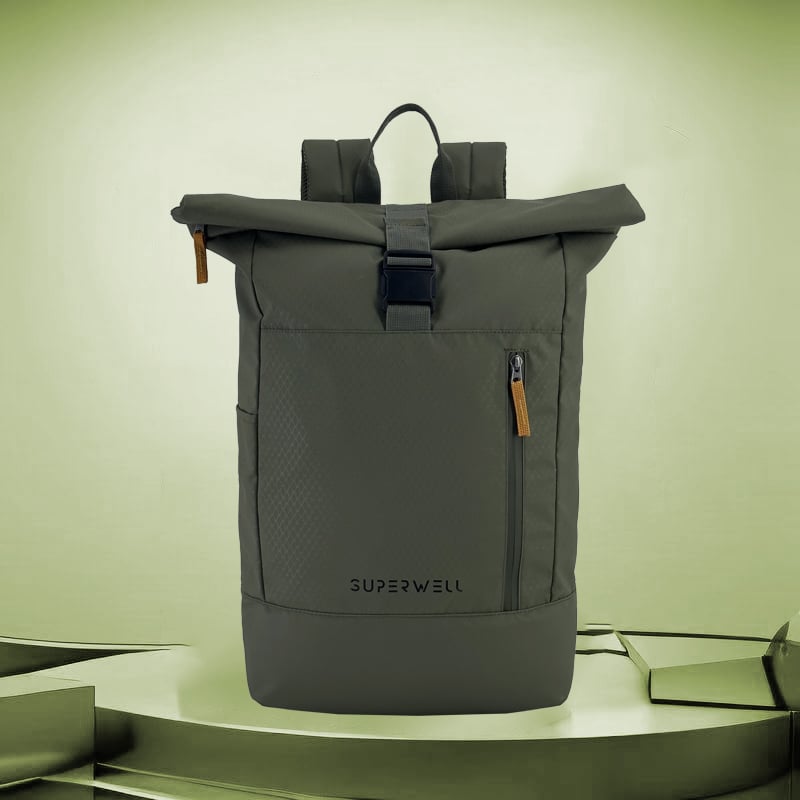
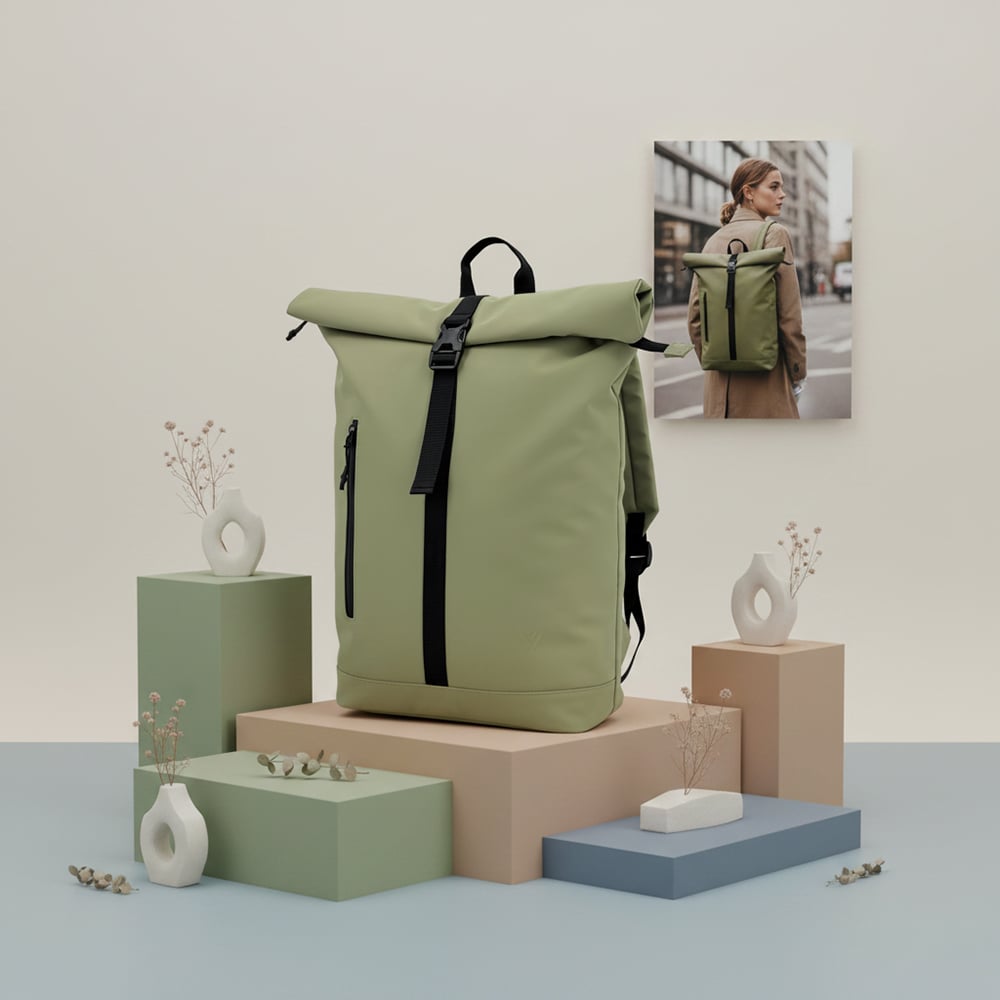
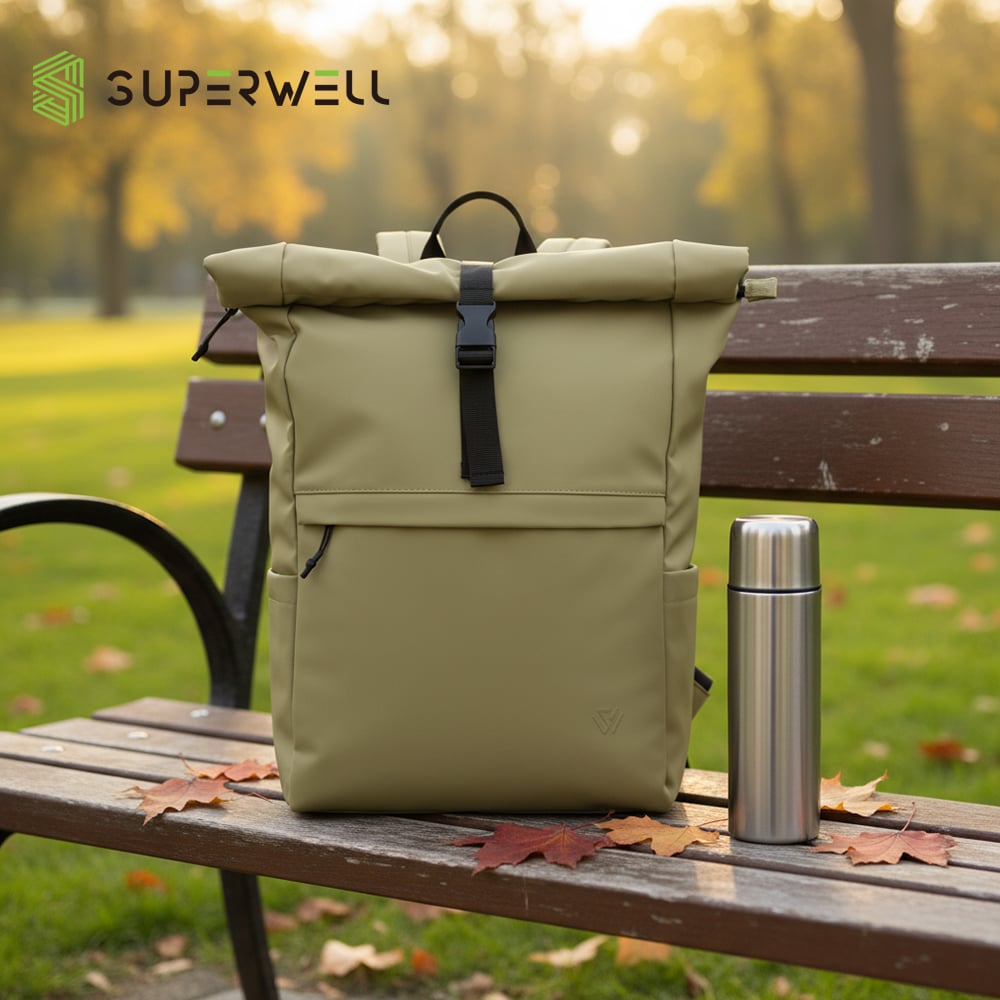
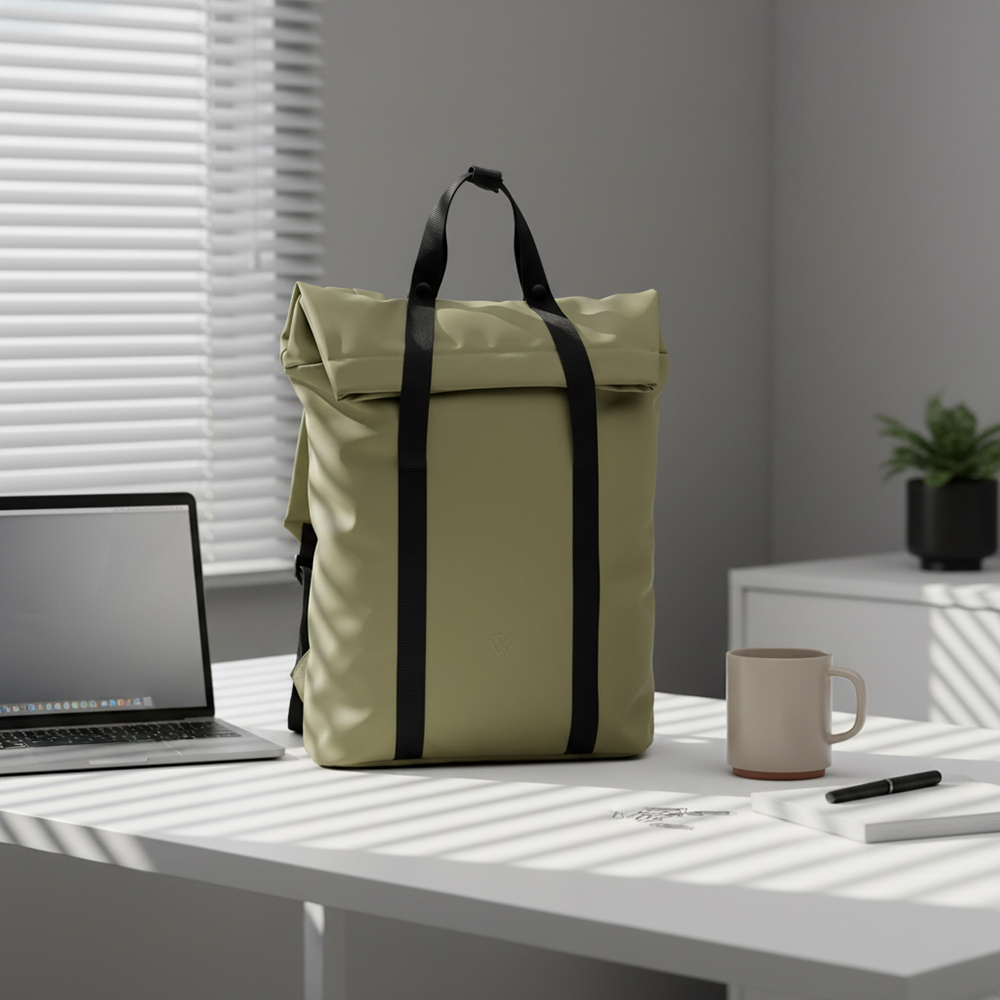
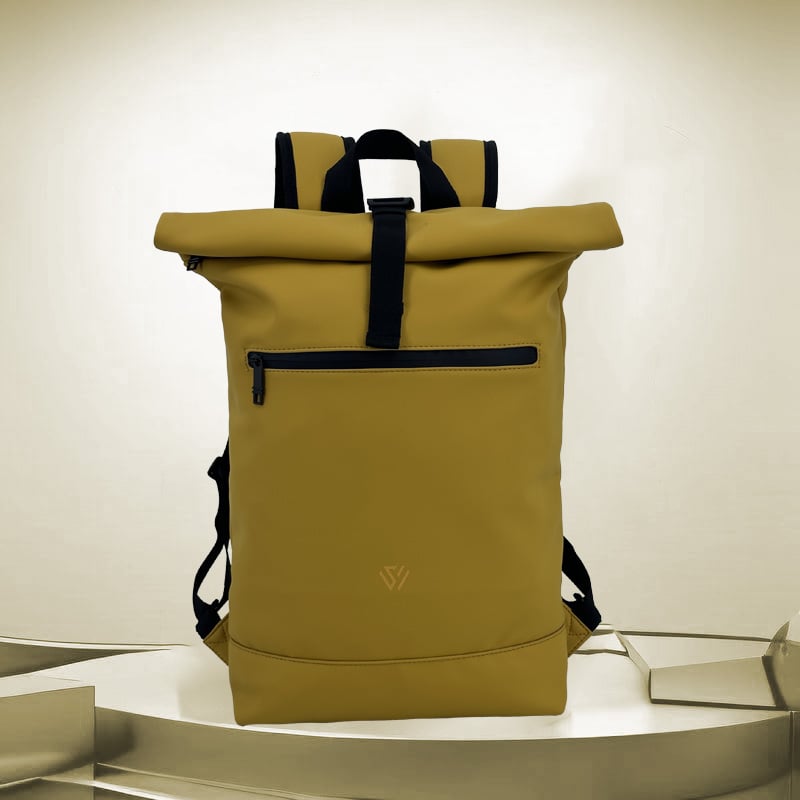
Backpacks: Category Overview
The Backpacks collection at Superwell covers a curated range of functional, professional-grade backpacks designed for wholesale buyers, e-commerce sellers, corporate procurement teams, and brand partners across North America, Europe, and South America. From expandable roll-top backpacks to airline-compliant carry-on backpacks and convertible duffel backpacks, this selection spans the most in-demand functional backpacks segments — developed with OEM and ODM flexibility as a foundational design principle. Whether you are building a private-label backpacks range from the ground up or sourcing ready-to-ship backpacks for seasonal demand, this lineup is structured to serve the full spectrum of B2B backpacks buying requirements.
Key Characteristics of These Backpacks
Understanding what defines well-specified backpacks matters more than most buyers initially expect. From a procurement standpoint, evaluating backpacks starts with visual criteria — material finish, hardware quality, and proportional design. What often reveals itself only after a full load test, however, is how backpacks distribute weight when a 17-inch laptop, a water bottle, and travel essentials are packed together. That practical dimension deserves more attention early in the backpacks sourcing process than it typically receives, particularly for buyers sourcing travel or commuter backpacks for demanding end users.
- Roll-Top Closure Backpacks: Adjustable volume backpacks with a secure, weather-resistant seal — well suited for commuters and travelers who need backpacks that accommodate varying daily loads. Roll-top backpacks in this range support up to 17-inch laptops in padded internal compartments while maintaining a streamlined profile when partially filled.
- 17-Inch Laptop Backpacks: Padded internal sleeves in these backpacks are sized for the most common professional laptop formats in North American and European markets. Structured panel support maintains laptop protection under the weight of fully loaded backpacks.
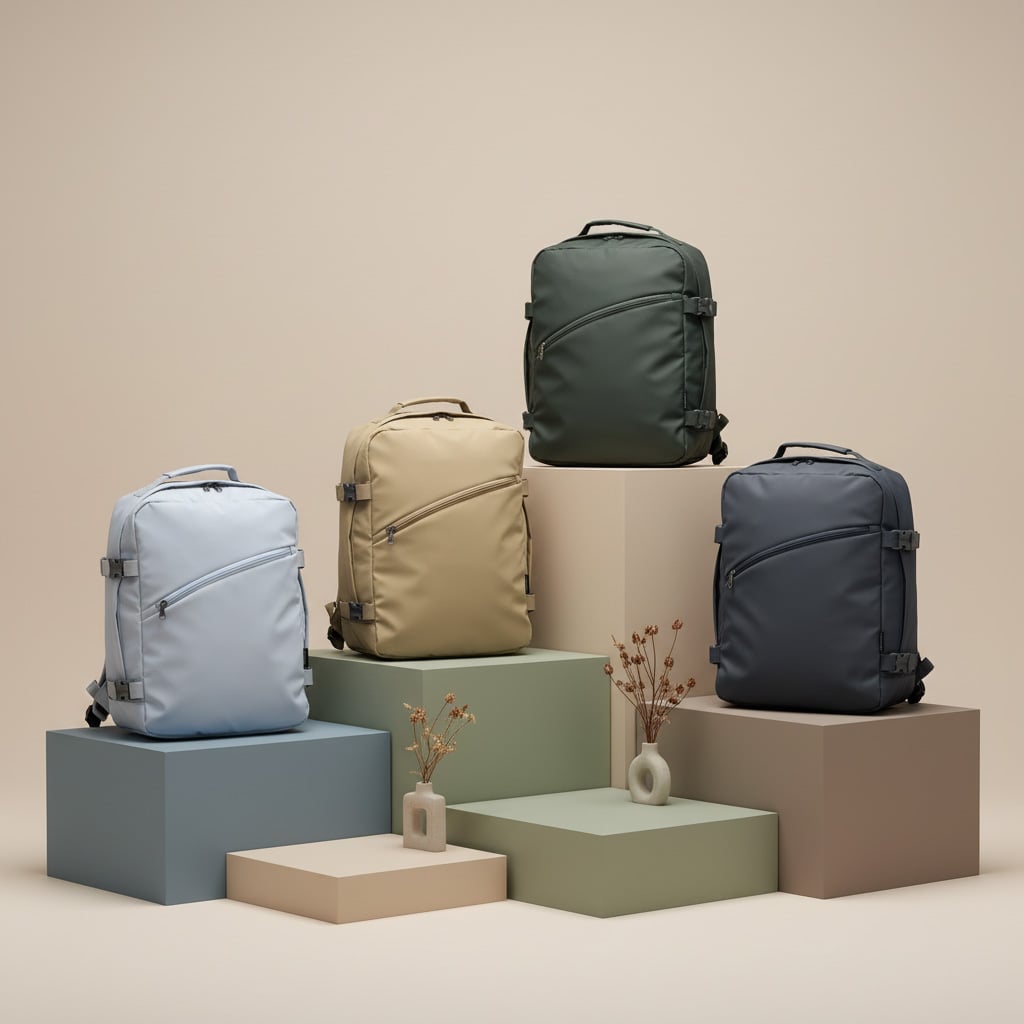
- Airline-Compliant Carry-On Backpacks: Selected backpacks are engineered to fit within the 40×30×20 cm standard enforced by major European and North American carriers. Sourcing carry-on backpacks with verified airline-compliance dimensions removes the friction that arises when sizing is assessed only after the first production run.
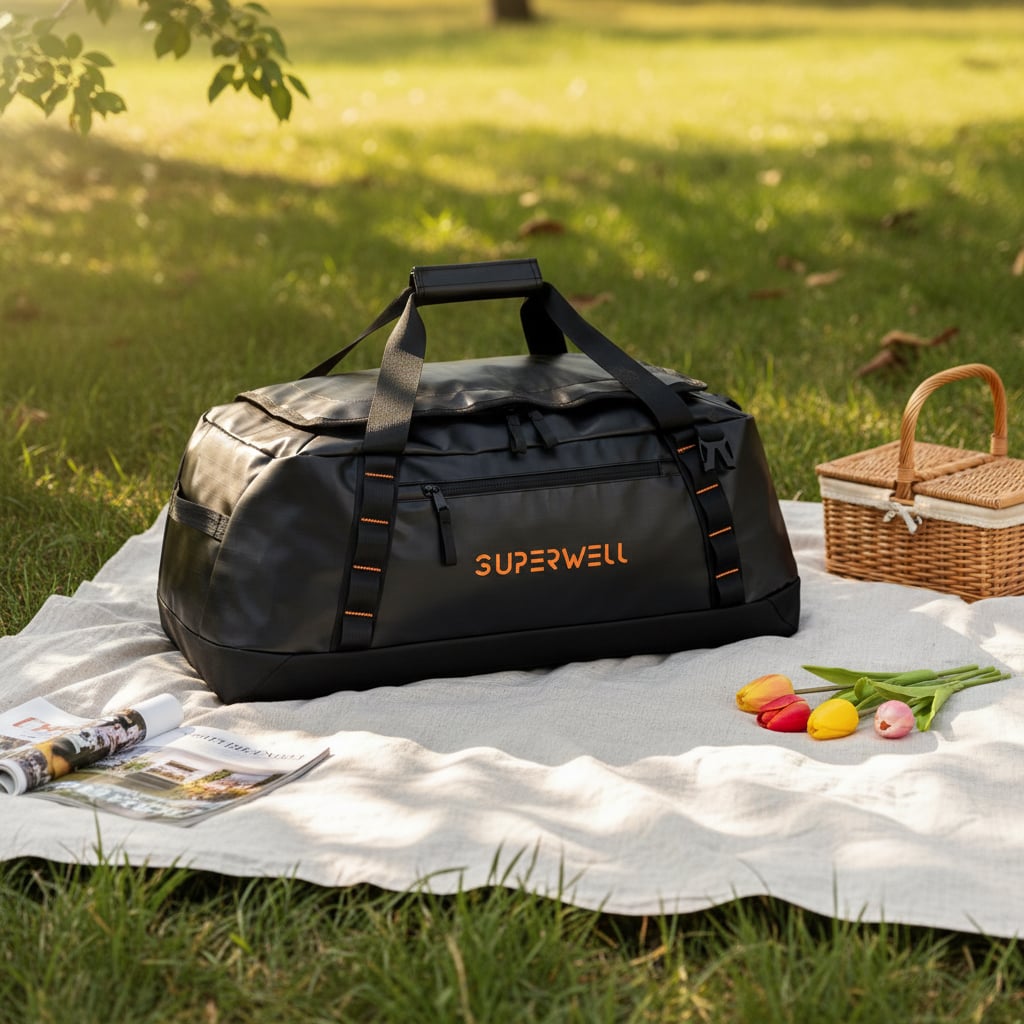
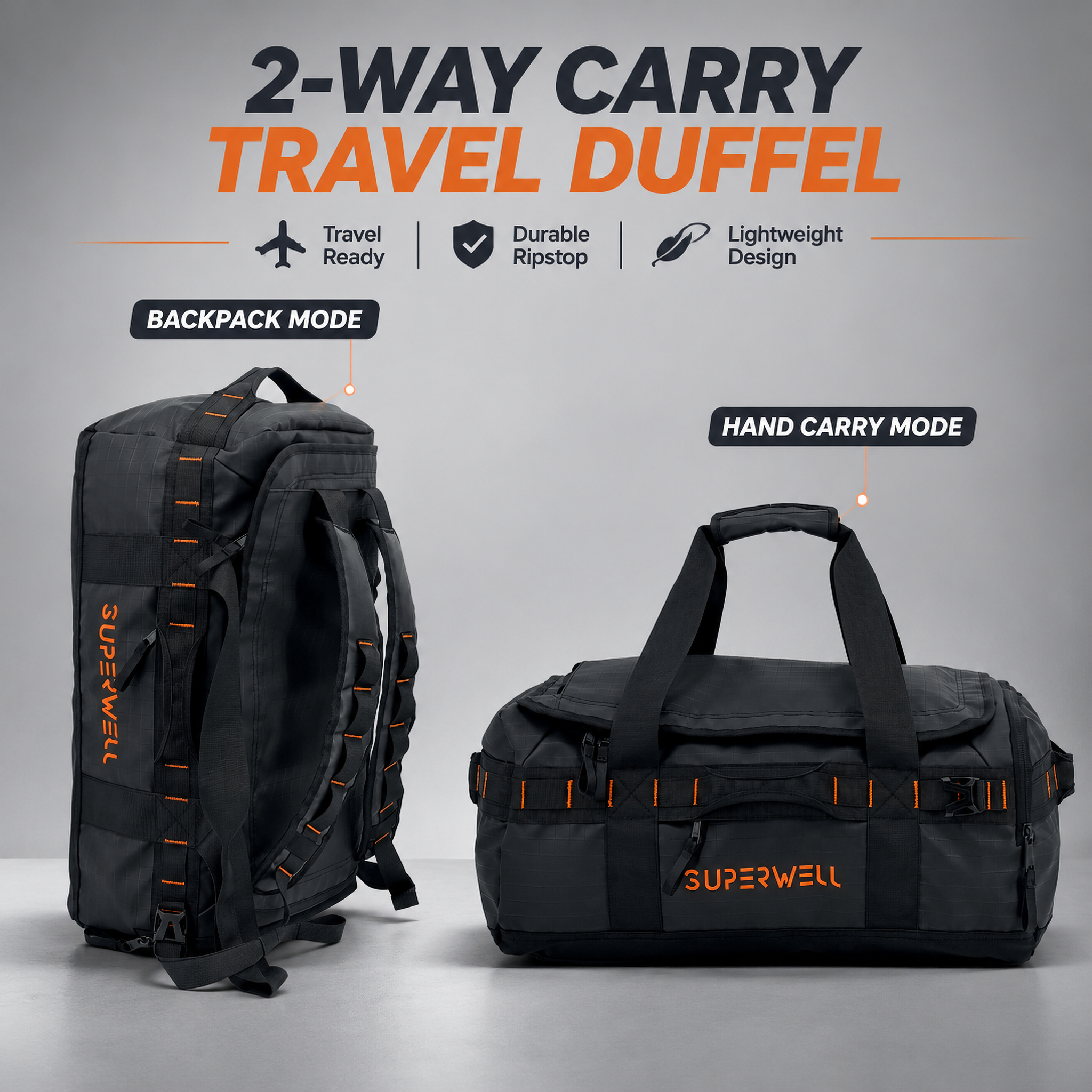
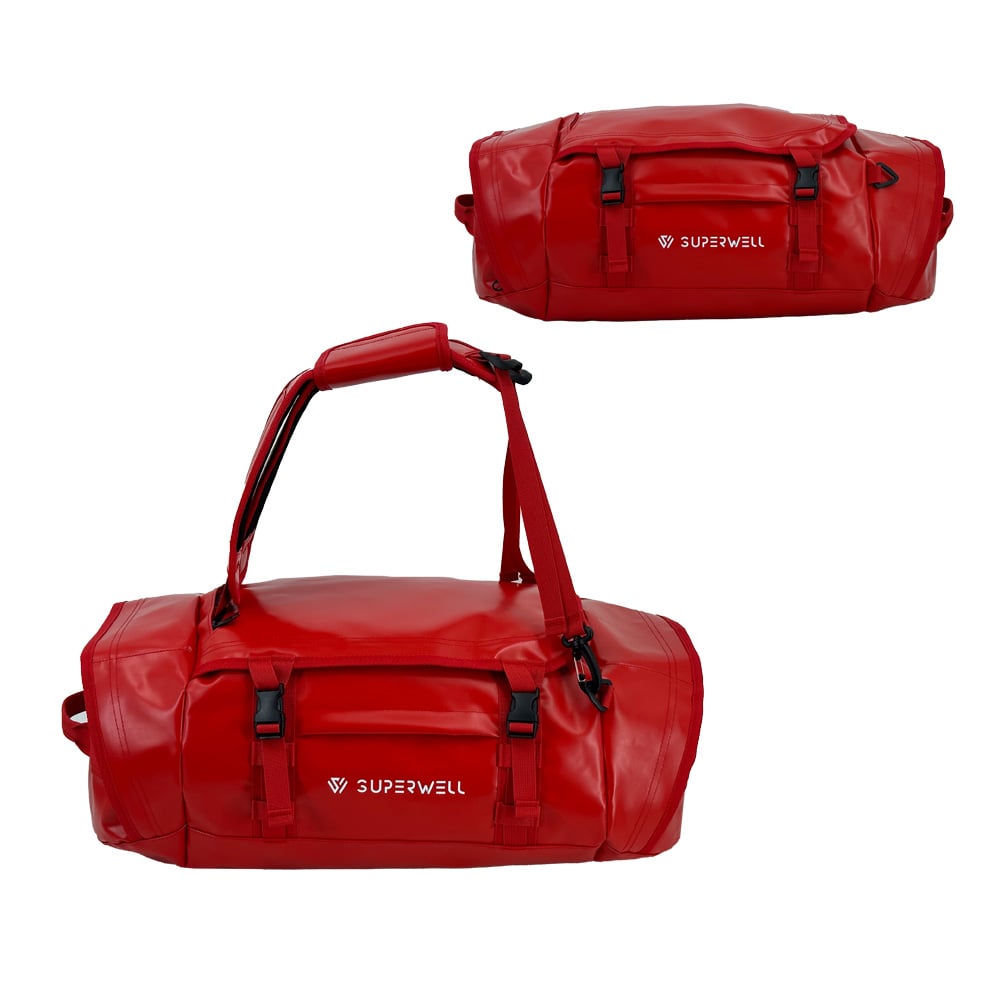
- Convertible Duffel Backpacks: Backpacks that function across multiple carry modes extend retail selling flexibility, allowing buyers to offer versatile backpacks within a single SKU rather than fragmenting across multiple product entries.
- Water-Resistant Backpacks: Surface coatings and material treatments provide practical moisture protection for everyday use across these backpacks. It is worth being specific: water-resistant backpacks perform differently from waterproof backpacks, and representing that distinction accurately to downstream buyers prevents complaints that follow when those terms are treated as interchangeable.
- Anti-Theft Backpacks: Concealed zipper access points and reinforced pocket placement in these backpacks address a consistent security concern among daily carry users in European and North American urban markets.
- Luggage-Strap Backpacks: Integrated pass-through straps allow backpacks to mount securely over rolling luggage handles — a functional detail that matters most to buyers sourcing backpacks for travel retail or corporate travel gifting.
- OEM and ODM Custom Backpacks: Logo placement, hardware customization, material selection, and packaging options are available across the backpacks range, making these backpacks suitable for private label development, corporate merchandise programs, and branded gifting campaigns.
Common Applications for Backpacks
Backpacks serve a broad but well-defined set of use cases. For buyers building a backpacks product range, understanding where each backpacks sub-type fits prevents the common sourcing mistake of selecting versatile-looking backpacks that end up underfitted for the actual end-use scenario and generate returns or complaints that are difficult to trace to any single specification.
For the travel and frequent-commuter segment — and this specifically applies to the carry-on and roll-top backpacks in this range — lightweight build and airline dimension compliance tend to be the decisive backpacks sourcing criteria, more so than raw volume capacity. Buyers targeting urban commuters or business travelers in Europe or North America will find that verifying backpacks against regional airline standards during sampling prevents revision cycles that follow when compliance is assessed only after bulk backpacks production.
Corporate gifting represents a distinct context for backpacks procurement. When a procurement manager needs branded backpacks for a large employee gifting program, the challenge is rarely finding backpacks that look appropriate — it is finding backpacks that meet brand quality standards within per-unit budget constraints and are available in sufficient volume. The OEM and private label backpacks options in this range are positioned for that sourcing requirement.
For back-to-school retail buyers sourcing backpacks for North American markets, the backpacks category is one of the highest-value annual purchasing events — concentrated in Q1 to Q2 for retail delivery planning. Buyers sourcing backpacks against back-to-school timelines benefit from suppliers who can commit to backpacks production schedules with meaningful lead-time visibility.
Cross-border e-commerce sellers adding backpacks to an existing bag range will find that roll-top and convertible backpacks photograph well across platform environments. Consistent visual presentation across backpacks SKUs is a practical listing performance factor that buyers in the e-commerce channel tend to underestimate until backpacks image inconsistency starts affecting conversion rates.
How to Choose the Right Backpacks for Your Order
From a B2B procurement perspective, the real evaluation question when sourcing backpacks for bulk orders is rarely just unit price. What actually matters once backpacks production is confirmed is whether delivery matches the approved backpacks sample on three dimensions: stitching tension consistency across a production run, hardware finish uniformity between backpacks units, and fabric color fidelity relative to the approved reference. Those areas are where quality inconsistency between sample approval and bulk backpacks production most commonly surfaces.
A higher denier count is often used as a shorthand for quality when evaluating backpacks fabric specifications — but the real performance difference in backpacks depends more on weave tightness, coating treatment, and thread integrity than the denier number alone. Buyers evaluating backpacks material specs should ask for abrasion and flex test data alongside denier ratings.
Prioritizing structural durability in backpacks with reinforced panels typically means accepting a modest weight increase — the right balance depends on whether buyers prioritize airline carry-on weight limits or multi-year daily commute resilience in backpacks. For travel-oriented backpacks in this range, the design focus keeps unloaded backpacks weight low while maintaining structural integrity under full load.
If you are evaluating whether ODM customization makes sense for your backpacks sourcing project, the honest answer depends on order volume, design complexity, and your launch timeline. Full ODM backpacks development — covering pattern development, material sourcing, sampling, revision cycles, and production handoff — is available for buyers who want to launch original backpacks designs without in-house design capability.
Why Backpacks Are a Strategic Category for Wholesale and B2B Buyers
The backpacks industry operates on a strong ODM and OEM model because most brands, retailers, and distributors have no structural reason to invest in backpacks manufacturing infrastructure. Producing backpacks requires specialized equipment, skilled labor, and established fabric and hardware supply chains. Buyers who work with specialist backpacks manufacturers rather than general-purpose factories benefit from accumulated backpacks product knowledge that reduces the back-and-forth during sampling and revision phases.
A pattern observed across B2B buyers entering the backpacks category for the first time is that backpacks sourcing feels straightforward until the first revision cycle on a custom backpacks sample. Anticipating that backpacks development will typically involve more than one correction round — particularly on strap systems, laptop sleeve sizing, and hardware placement — is a more accurate starting assumption than expecting first-sample approval on custom backpacks designs.
For wholesale buyers building a multi-product range, backpacks serve as an anchor category that draws buyer attention and creates natural cross-selling pathways into adjacent accessories. A coherent backpacks collection with clear sub-type differentiation across travel backpacks, commuter backpacks, and business backpacks tends to perform more consistently across platforms and retail channels than a scattered selection of unrelated backpacks styles. The range here covers the core functional backpacks segments that B2B buyers in the current market are actively sourcing.