 EN



What Is the R-PET Series?
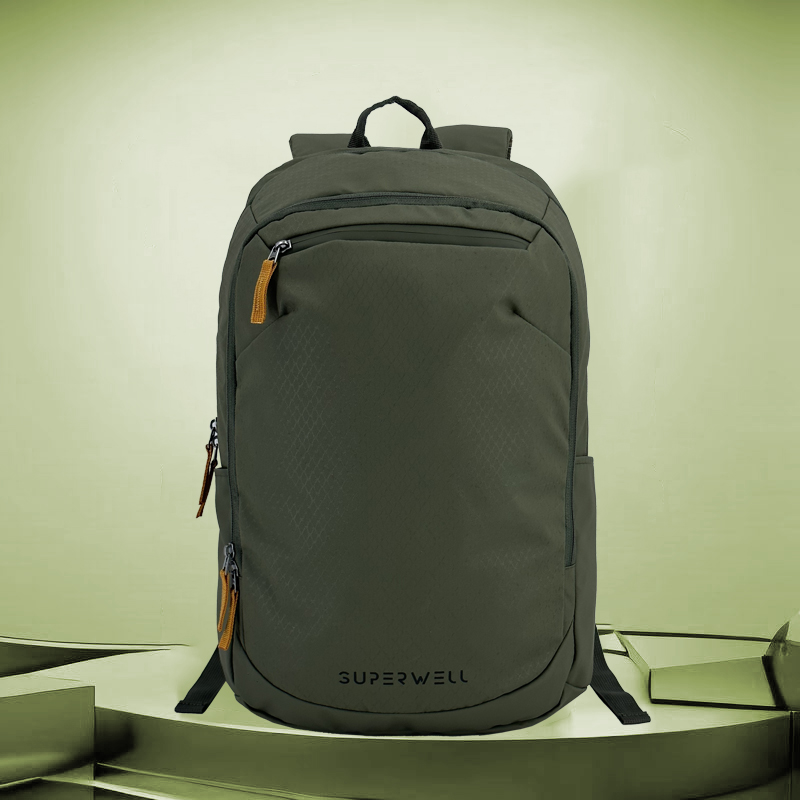
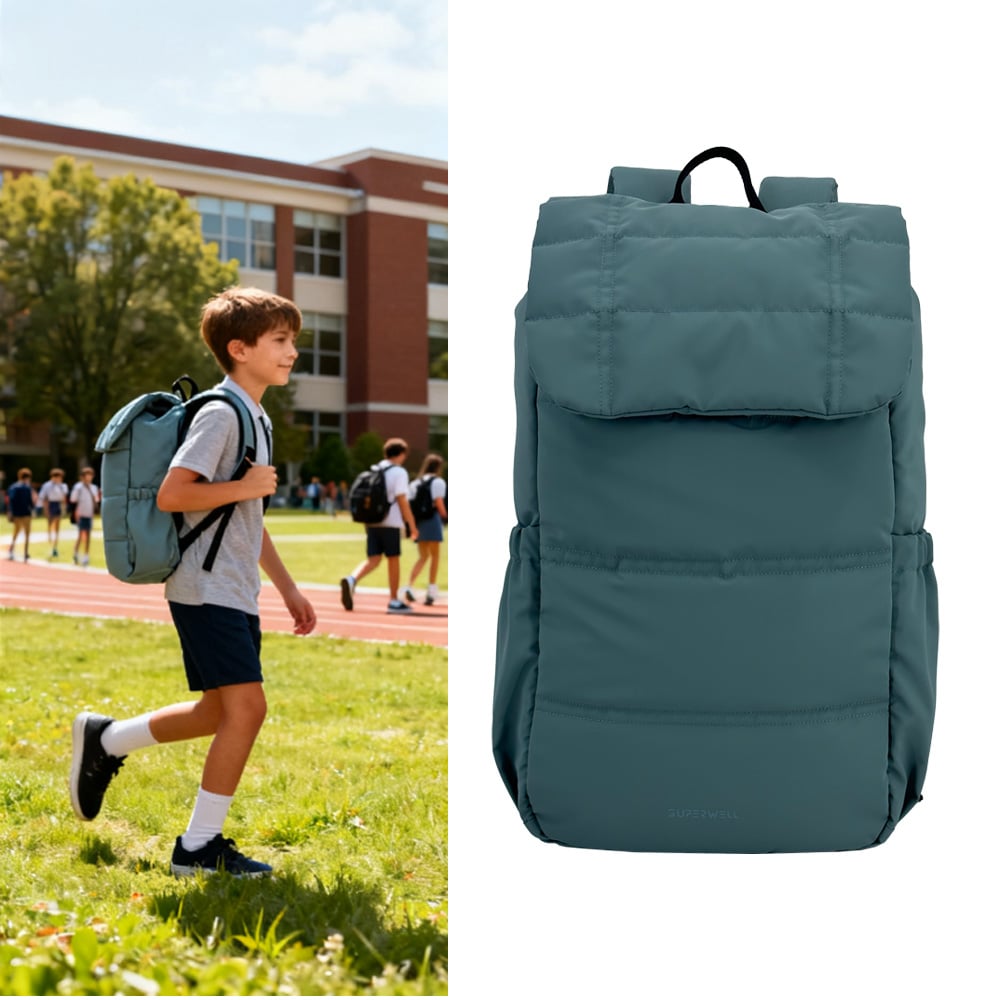
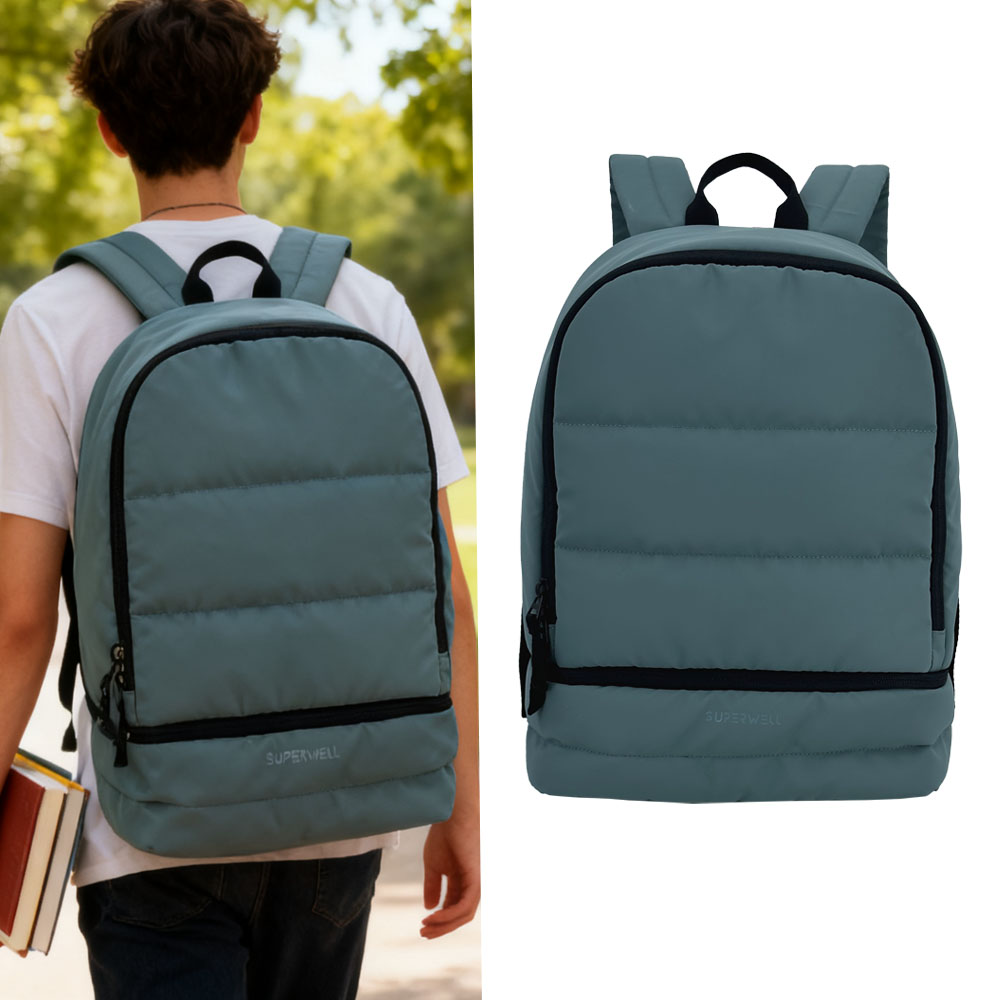
The R-PET Series is a curated collection of backpacks and bags built with fabrics that incorporate post-consumer recycled PET — material recovered from plastic bottles and reprocessed into woven and non-woven textile substrates. This range currently spans everyday commuter backpacks, business laptop bags, 2-in-1 convertible tote-backpacks, crossbody shoulder bags, quilted travel daypacks, and multi-zone travel backpacks. Each style is designed to meet functional performance requirements while addressing the growing B2B demand for documented sustainable materials.
For wholesale buyers targeting European and North American markets, sustainability credentials have increasingly become a baseline sourcing requirement rather than a premium differentiator. The R-PET Series is positioned to support procurement teams, brand builders, and ODM buyers who need a credible material story alongside real product performance — not one at the expense of the other.
Material and Construction Highlights
- Post-Consumer R-PET Fabric Construction: The defining characteristic of the R-PET Series is the use of recycled PET fabric as the primary outer shell or lining material. From what I have seen in sustainable bag sourcing, the meaningful question is not just whether a fabric is labeled recycled — it is whether the construction sustains performance under real use conditions across different denier weights and coating specifications. Selected styles pair the recycled outer shell with R-PET 210D/pu interior lining, extending the material story through the full product construction rather than limiting it to the surface.
- Laptop-Compatible Compartments: Several styles in the collection include dedicated laptop compartments accommodating notebooks up to 17.3 inches, with internal organization suitable for business travel and daily commuting. The 2-in-1 convertible tote also supports laptops up to 17.3 inches across both carry modes.
- Lightweight and Structured Profiles: Commuter and crossbody styles prioritize weight reduction through lightweight shell constructions. In practice, what most B2B buyers evaluate when the bags arrive is whether the zipper functions smoothly on first use and whether the strap stitching holds under load — those are the practical markers that drive reorder decisions.
- Versatile Carry Formats: The 2-in-1 convertible style allows switching between top-handle tote mode and rear-strap backpack mode, broadening addressable end-use scenarios from office commuting to short travel without requiring a separate product SKU.
- OEM and ODM Customization Ready: The R-PET Series is designed to support custom branding, colorway selection, and feature specification. Full-service ODM capability covers concept development, pattern work, material sourcing, sampling, revision cycles, and bulk production — enabling buyers to build original collections without in-house design infrastructure.
- Sustainable Packaging Options: End-to-end sustainability commitment can extend beyond the product itself. Packaging options using recycled materials are available for buyers whose sourcing brief includes packaging-level eco commitments, subject to confirmation at order specification stage.
Application Scenarios
The R-PET Series addresses several distinct B2B sourcing scenarios:
- Corporate Gifting and Brand Merchandise: Organizations sourcing bags for employee gifting programs, promotional merchandise, or ESG-aligned brand campaigns increasingly require documented eco-credentials for procurement justification or sustainability reporting. This collection provides the material basis for those programs — provided buyers verify the specific certification documentation relevant to their destination market before finalizing the brief.
- Retail Private Label: Brands building private label collections for European or North American retail channels face growing regulatory and buyer expectations around product sustainability claims. This is probably most relevant for buyers targeting European retail, where formal environmental claim requirements are advancing — though the dynamic is developing in North American channels as well.
- Cross-Border E-Commerce: Platform sellers targeting EU and North American consumers can use R-PET Series materials as a product differentiation factor. The value is strongest when the material origin is supported by traceable certification rather than general marketing language — otherwise it creates greenwashing exposure in markets where eco-claim scrutiny is rising.
- Business Travel and Daily Commuting: The functional backpack styles in this collection — including the large-capacity 17.3-inch laptop backpack, the minimalist business backpack, and the crossbody shoulder bag — address professional travel, commuting, and everyday carry scenarios across a range of end-user profiles.
- School and University Programs: Lightweight everyday backpack styles can support institutional procurement programs where both functionality and sustainability positioning carry weight in the sourcing evaluation.
How to Evaluate an R-PET Series Sourcing Decision
It is easy to accept recycled material labels at face value — the more useful shift is to start asking what percentage of the fabric is post-consumer R-PET versus blended virgin polyester, and whether that claim is backed by traceable documentation. For B2B buyers sourcing the R-PET Series for European or North American markets, the most credible claims you can make to your own customers or procurement stakeholders are those tied to verifiable material traceability — not general eco-friendly language.
Several dimensions are worth evaluating before placing a sample order:
- Certification documentation: Key material standards relevant to R-PET Series products include recycled content chain-of-custody verification, chemical safety testing for fabric dyes and finishes, and social compliance frameworks. Where a recognized standard applies to the material or product type, ask your supplier which categories they can document — not just whether they can claim compliance. Do not rely on standard names in supplier communications without confirming documentation status directly.
- Denier specification and end-use fit: Many buyers assume that recycled fabric means compromising on abrasion resistance. Well-processed post-consumer R-PET can match standard polyester on durability benchmarks when weave density and coating are properly specified. A lightweight commuter bag and a heavy-duty travel backpack have different performance requirements — align the construction spec to the actual end use before locking the sample.
- Cost structure: R-PET Series construction often carries a measurable premium compared to standard polyester — a trade-off that is straightforward to justify for buyers who can translate a sustainability story to their end customer, but harder to absorb for price-sensitive wholesale buyers focused on unit-level margins. Confirm whether the premium is included in the quoted unit cost before moving to sample approval.
- Customization scope and timeline: For OEM and ODM orders, confirm which elements can be specified — colorway, hardware finish, labeling, interior organization, and packaging — and request a realistic sample production timeline before building your product launch schedule.
Why the R-PET Series Matters for B2B Procurement
Across European and North American B2B procurement channels, sustainability has shifted from a niche differentiator to a qualifying criterion for accessing certain retail chains, corporate gift programs, and institutional procurement bids. Suppliers without documented sustainable material options — including access to an R-PET Series or equivalent — may find themselves excluded regardless of price and quality performance.
The shift is most pronounced in the European market, where regulatory expectations around product environmental claims and corporate ESG reporting are driving formal sustainability criteria into B2B bag sourcing decisions. Brands evaluating the R-PET Series face a related challenge: distinguishing suppliers making verified recycled material claims from those making aspirational ones. Without clear documentation, that gap creates real exposure for buyer-side brands positioning their products as eco-friendly in markets where claim scrutiny is increasing.
R-PET Series construction reduces virgin plastic demand in the product supply chain — that is directionally accurate as a material story. The environmental benefit depends on factors including recycled content percentage, processing methodology, and whether the fabric certification covers the full chain from post-consumer source to finished product. Approaching this sourcing decision with that level of specificity tends to produce better outcomes in both supplier selection and downstream product positioning.
This collection at Superwell is designed to support buyers at this evaluation level — providing bag options across multiple formats with the material foundation for a documented sustainability story, alongside OEM and ODM customization capability for buyers developing original collections. Inquiries for certification documentation, sample requests, and R-PET Series order specifications can be submitted through the contact page.