
 EN
Wholesale Bags: Category Overview
The Bags category covers a broad range of carry solutions for wholesale buyers, brand developers, and corporate procurement professionals. From yoga bags and gym totes to waist packs, sports duffel bags, and travel toiletry kits, these bags address multiple market segments under a single sourcing relationship. For B2B buyers evaluating where to consolidate purchasing, the bags range spans everyday lifestyle carry, performance-oriented sports bags, travel accessories, and gift-ready bags — each available for OEM or ODM production with customized materials, hardware, branding, and internal layout.
Comparing bags across pure specification lists can go on indefinitely — at some point, the more useful question becomes: do these bags actually fit your buyer's end-use scenario and your sourcing constraints? That shift from feature evaluation to use-case alignment is where most productive sourcing decisions happen, whether you are building a branded retail program, stocking corporate gifting inventory, or developing a cross-border e-commerce bag line.
Bags Product Range and Key Characteristics
This bags collection includes several distinct product groups, each with its own material and functional profile suited to different buyer segments and end markets:
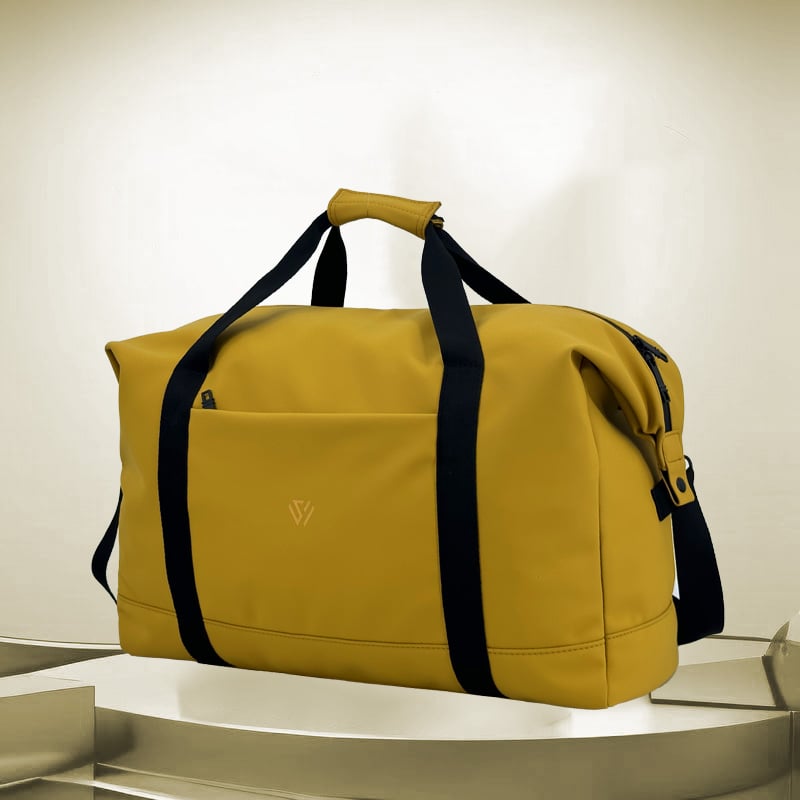
- Sports and Gym Bags: Large-capacity sports duffel bags with dedicated shoe compartments and yoga tote bags with integrated mat carriers and adjustable crossbody straps. These bags serve active lifestyle retail, sports club procurement, and fitness-brand private label programs. Materials run mid-to-high denier polyester and nylon, with reinforced stitching at stress points and dual carry options for versatility.
- Waist Packs and Running Belt Bags: Lightweight fanny packs and breathable waist bags suitable for outdoor events, travel, and promotional merchandise programs. Popular as OEM bags for corporate gifting buyers and outdoor gear retailers, these bags also perform well in cross-border e-commerce channels targeting European and North American markets.
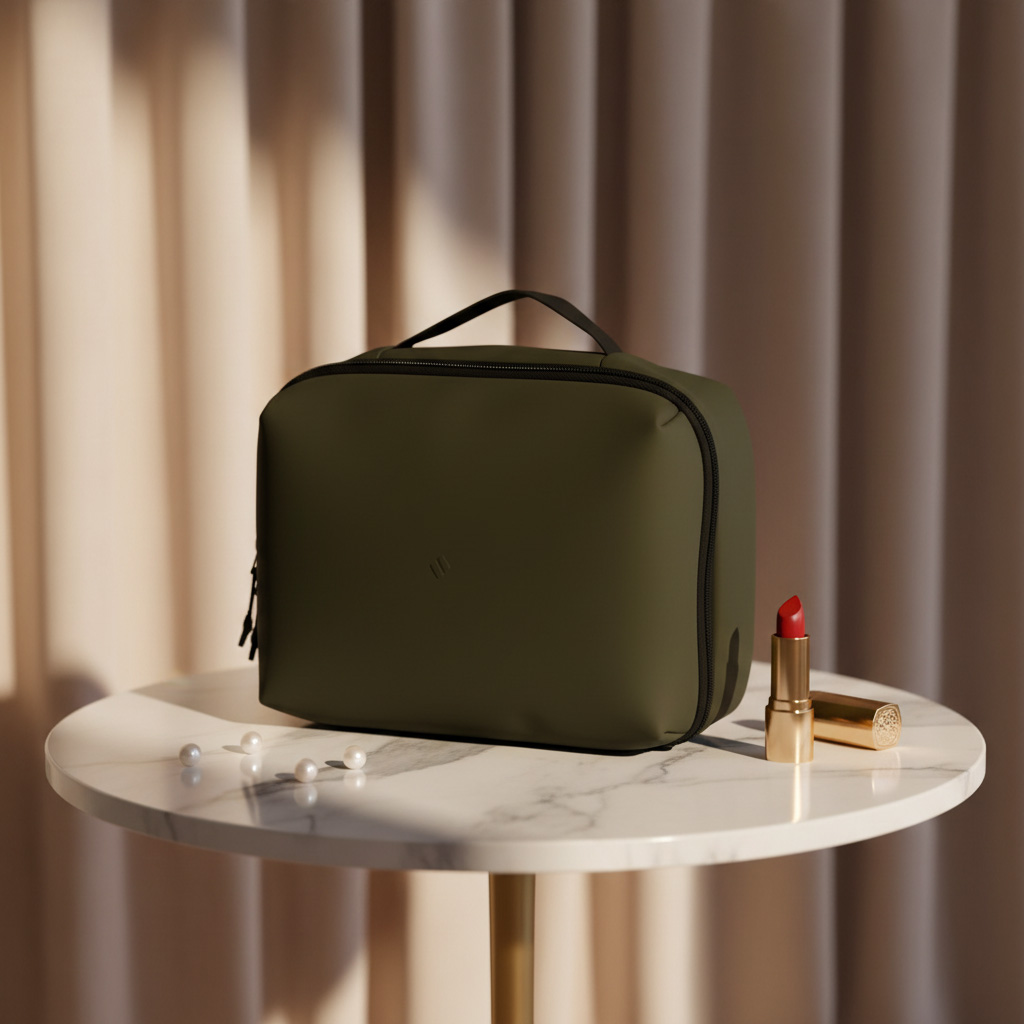
- Travel and Toiletry Bags: Waterproof wash bags and hanging toiletry organizers designed for travel convenience and hotel amenity applications. The hanging hook and waterproof construction make these bags practical performers in European and North American retail channels where travel bags have established performance expectations.
A note on material selection for bags — the short answer is that higher denier fabric always means better durability, but that is not quite right. Higher denier indicates denser thread construction, which can reflect abrasion resistance, but coating method, weave structure, and seam reinforcement contribute equally to real-world durability in bags. Material decisions for bags should be evaluated against the end-use scenario rather than denier count in isolation.
Common Applications for These Bags
The wholesale bags market is highly fragmented. Buyers of bags range from large retail chains and corporate gifting companies to cross-border e-commerce sellers and promotional merchandise managers — each with distinct MOQ expectations, lead time requirements, and price ceilings. These bags are structured to serve that range across several primary use cases:
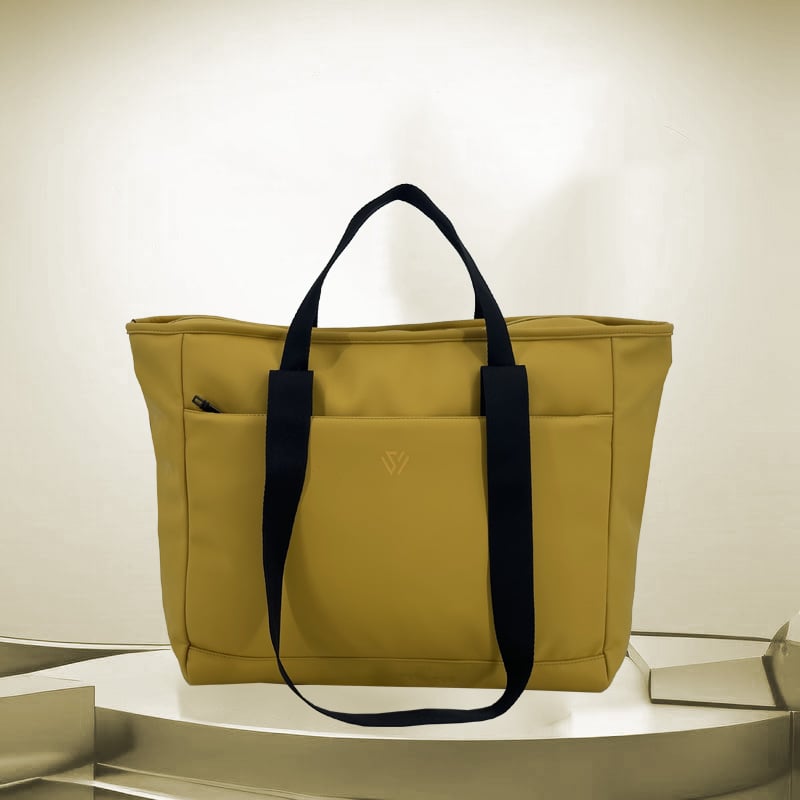
- Fashion Retail and E-commerce Bags: Yoga bags, lifestyle totes, and everyday carry bags suitable for Amazon, Shopify, and regional online retail. Bags in this segment benefit from broad color availability and competitive base pricing at scale.
- Corporate Gifting and Promotional Bags: Waist packs, duffel bags, and toiletry kits are frequently sourced for corporate gifting campaigns, trade show merchandise, and employee reward programs. Custom logo application — embroidery, screen print, or heat transfer — is available across the bags range for branded program use.
- Sports and Outdoor Retail Bags: Gym bags with shoe compartments and yoga mat carriers address active lifestyle retail in North America and Europe. These bags suit branded sporting goods programs or private label development for fitness and wellness retail channels.
- Travel and Hospitality Bags: Waterproof toiletry bags and travel organizers are applicable to hospitality procurement, travel accessory retail, and amenity kit programs, particularly for buyers serving European and South American markets.
How to Choose the Right Bags for Your Program
From a procurement manager perspective, the real question when evaluating wholesale bags is rarely just unit price — it is whether the MOQ, customization depth, and material specification align with your actual channel requirements. A few practical considerations for sourcing bags:
Use case before specifications: For travel bags — and this applies most directly to the toiletry and wash bag range — waterproofing credibility is a decisive purchase driver in European markets. For gym bags sold through North American e-commerce, shoe compartment design and carry configuration tend to drive buyer preference more than fabric weight alone. Start with the use case, then build the specification for your bags around it.
International sizing for bags: Standard compartment dimensions that perform well in one market can create fit complaints in another. North American buyers of bags typically require larger openings and wider main compartment access than dimensions optimized for other markets, leading to return rate friction if not addressed early. When sourcing bags for European or North American distribution, define specific dimensional requirements during the sample review stage.
Durability versus weight in bags: Prioritizing structural durability with reinforced panels typically means accepting additional weight — the right balance depends on whether your buyer's priority is lightweight airline carry-on compliance or multi-season daily use resilience. Both are valid strategies for bags; the answer depends on the target channel, not a universal rule across all bag categories.
Customization depth and ODM support for bags: The bags industry operates on a strong ODM and OEM culture. Most B2B buyers source finished bags or custom-designed versions rather than building in-house manufacturing. Full ODM support — covering concept development, pattern creation, material sourcing, sampling, and revision cycles — enables meaningful differentiation for bags without requiring in-house design resources.
Why Source Bags from a Specialist Manufacturer
One persistent challenge for wholesale bags buyers is the quality gap between approved samples and bulk production batches — particularly in stitching consistency, hardware finish, and fabric color alignment across bag production runs. This affects both first-time importers and experienced buyers. Addressing it requires clear written quality standards for bags before production begins, not only visual sample approval.
Manufacturing bags within China's Quanzhou production cluster provides proximity to a dense ecosystem of fabric suppliers, zipper manufacturers, hardware producers, and finishing specialists. This concentration supports faster sampling cycles and tighter coordination for bags compared to more dispersed supplier networks — though buyers should still conduct their own quality verification for all bags regardless of manufacturing location.
For buyers who need to test new bag styles before committing to large volumes, MOQ flexibility matters. Many bags sourcing programs stall because standard factory minimums exceed what a new product line can justify in its early stages. A factory-direct pricing model gives bulk buyers of bags a cleaner view of the landed economics, while flexible entry-level ordering allows smaller buyers to evaluate new bags without overcommitting inventory.
If your sourcing priority is breadth — covering yoga bags, sports duffel bags, waist packs, and travel bags under a single supplier relationship — this collection offers consolidation value over managing multiple specialized vendors. If your priority is a single hero bag requiring deep customization and original design, ODM development support is available for bags at that path as well. Both approaches work for bags under the right conditions; where they diverge is in lead time, sampling investment, and minimum volume required to justify the development cost.