
 EN
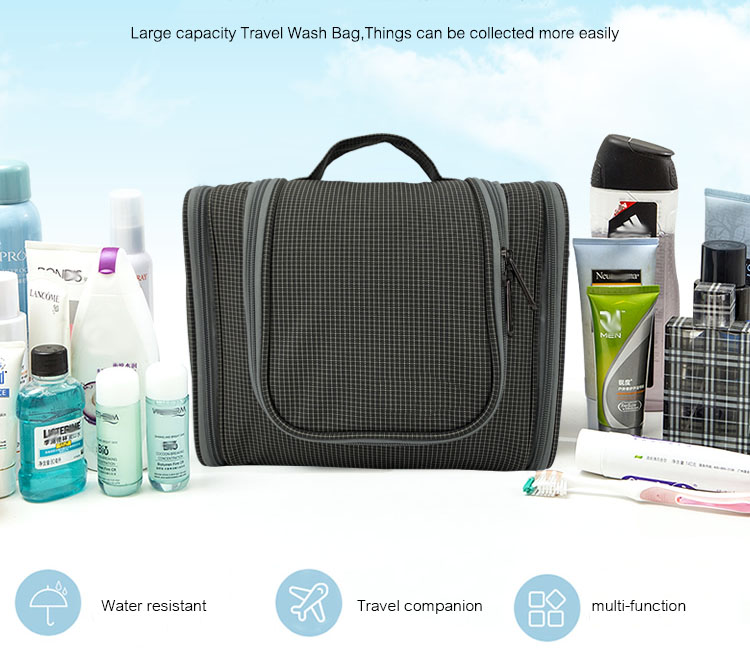
Does Proposition 65 Apply to Carry-On Toiletry Bags?
Prop 65 Coverage of Soft Goods: Why Carry-On Toiletry Bags Are in Scope
Proposition 65 applies to all consumer products sold in California—including soft goods like carry-on toiletry bags. The law regulates exposure to listed chemicals via skin contact, inhalation, or hand-to-mouth transfer. Because toiletry bags routinely contact wet hands, damp bottles, and leaking contents, chemical migration from linings, zippers, and exterior coatings is heightened. Enforcement actions have already targeted luggage, backpacks, and cosmetic pouches for lead and phthalates—confirming that flexible travel accessories fall squarely within scope. Importantly, Prop 65 does not exempt products based on intended use: a bag marketed solely for travel is still a regulated consumer product unless material screening confirms no exposure above safe harbor levels.
Material-Specific Triggers: PVC, Vinyl, Synthetic Leather, and Plastic Linings in Carry-On Toiletry Bags
Common materials in carry-on toiletry bags carry well-documented Prop 65 risks. PVC and vinyl often contain lead stabilizers or phthalate plasticizers such as DEHP and DINP. Synthetic leather may rely on phthalate-heavy coatings, while printed plastic linings can include cadmium-based pigments or organohalogen flame retardants. Even zipper pulls, piping, and transparent pouches—especially those made with recycled PVC—may introduce variable additive loads. These components are highly handled and flexible, increasing potential for direct skin contact or dust-mediated exposure. Supply chain variability means a single production batch can exceed safe harbor thresholds without visible change. “PVC-free” labeling alone is insufficient; polyurethane and TPU alternatives may retain residual catalysts or processing aids. Component-level laboratory screening remains the most reliable method to identify which parts trigger a Prop 65 obligation.
Required CA65 Chemical Testing for Carry-On Toiletry Bags
To comply with Proposition 65 when selling in California, importers must assess realistic user exposure—not just total chemical content. Testing should focus on accessible surfaces: outer shells, linings, zipper pulls, trim, and printed logos. Exposure pathways include skin contact, hand-to-mouth transfer, and volatile release during normal use.
Mandatory Analytes: Lead, Cadmium, Phthalates (DEHP, DBP, BBP, DINP), and Flame Retardants
Analytical testing typically targets:
- Lead and cadmium in surface coatings, metal zippers, and synthetic leather;
- Phthalates (DEHP, DBP, BBP, DINP) in plasticized PVC linings and waterproof layers;
- Flame retardants, screened separately by GC-MS in foam padding, nylon shells, or textile backings.
Accredited labs use acid digestion for heavy metals and solvent extraction followed by GC-MS or LC-MS for phthalates and organohalogen flame retardants. Crucially, a total content result—such as 250 ppm lead—does not automatically indicate noncompliance. OEHHA’s safe harbor levels are exposure-based. Importers must estimate daily intake using accessible surface area, contact frequency, and degradation behavior. For example, two identical-looking bags may carry vastly different legal risk depending on zipper alloy composition or lining adhesive chemistry.
Understanding Safe Harbor Levels vs. NSRLs for Carry-On Toiletry Bag Components
Proposition 65 establishes two types of safe harbor levels: No Significant Risk Levels (NSRLs) for carcinogens and Maximum Allowable Dose Levels (MADLs) for reproductive or developmental toxicants. For carry-on toiletry bags, key benchmarks include:
| Chemical | Safe Harbor Type | Reference Level |
|---|---|---|
| Lead | MADL (reproductive) | 0.5 µg/day |
| Cadmium | MADL (oral) | 4.1 µg/day |
| DEHP | NSRL (cancer) | 310 µg/day |
| DINP | NSRL (cancer) | 146 µg/day |
| DBP | MADL (developmental) | 8.7 µg/day |
These are exposure limits—not ppm thresholds for the entire product. Labs measure extractable or migratable content from each accessible component (lining, zipper, print, seam tape), and importers model daily intake accordingly. A material with >1,000 ppm phthalates may still comply if migration under real-use conditions remains below the NSRL—but proving that is especially difficult for soft, skin-contact PVC. Many importers adopt conservative content screens to avoid complex migration modeling and ensure consistent compliance.
Compliance Strategy: Testing or Warning Labeling for Carry-On Toiletry Bags?
When Rigorous Testing Outperforms a Prop 65 Warning Label
Rigorous chemical testing is often the stronger compliance strategy for carry-on toiletry bags. While a Prop 65 warning satisfies minimum legal requirements, it can undermine consumer confidence—particularly in high-trust retail environments like airport stores and premium travel channels. Testing clarifies whether lead, cadmium, DEHP, DBP, BBP, DINP, or flame retardants exceed applicable safe harbor levels in zippers, linings, internal coatings, and decorative trim. A clean test report allows the product to be positioned as a safer travel accessory—and protects against unexpected noncompliance due to batch-to-batch variations in PVC, vinyl, or synthetic leather. For many exporters, the one-time lab investment is outweighed by long-term gains in brand integrity and buyer trust.
The Legal Risk of Unsubstantiated Warnings on Carry-On Toiletry Bags
Applying a Prop 65 warning without analytical validation introduces legal uncertainty. The law requires a clear and reasonable warning for each specific listed chemical exceeding its safe harbor level. A generic statement like “This product contains chemicals known to cause cancer” fails if enforcement reveals it omits the actual chemical(s) present—or worse, if no listed chemical exceeds thresholds at all. Over-labeling erodes credibility without offering regulatory protection. The legally sound approach is to test first, then decide: if results confirm compliance, omit the label and retain documentation for due diligence; if a chemical exceeds its NSRL or MADL, apply the exact warning language mandated by current OEHHA regulations.
Common Compliance Pitfalls in the Carry-On Toiletry Bag Supply Chain
Importers often prioritize the main fabric—but small components in a carry-on toiletry bag frequently pose disproportionate chemical risk.
Overlooked Risk Points: Zippers, Trims, Printed Logos, and Lining Adhesives
Zipper pulls and teeth may contain lead or cadmium, particularly when coated or painted. Rivets, snaps, and PVC-coated zipper sliders can leach phthalates. Printed logos and decorative inks—especially in cost-sensitive production—sometimes use pigments containing lead, cadmium, or hexavalent chromium. Heat-bonded lining adhesives may introduce toluene, formaldehyde, or phthalates. Because these parts are low-weight, they often pass visual inspection yet exceed safe harbor levels on a concentration basis. A robust CA65 testing program must segment and screen each component batch—not just the finished bag. Supplier substitutions can alter these elements invisibly, making re-testing after any material change essential. Without component-level scrutiny, a single noncompliant zipper or printed trim can render the entire shipment ineligible for entry into California.
FAQs
Does Proposition 65 apply to all carry-on toiletry bags?
Yes, Proposition 65 applies to all consumer products sold in California, including carry-on toiletry bags. It regulates exposure to toxic chemicals via skin contact, inhalation, or ingestion, which are all possible risks when using toiletry bags.
What materials in toiletry bags typically pose a risk under Prop 65?
Materials like PVC, vinyl, synthetic leather, and plastic linings in toiletry bags often contain potentially harmful chemicals like lead, cadmium, phthalates, and flame retardants. These materials should be tested for compliance with Prop 65.
What is the purpose of chemical testing for Proposition 65 compliance?
The goal is to assess the realistic exposure to listed toxic chemicals from a product during normal use, taking into account direct and indirect exposure pathways. Tests aim to confirm whether the product requires a warning label or complies with safe harbor levels.
What are safe harbor levels under Prop 65?
Safe harbor levels are exposure benchmarks that are considered safe under California's Proposition 65. They include No Significant Risk Levels (NSRLs) for carcinogens and Maximum Allowable Dose Levels (MADLs) for reproductive and developmental toxicants.
Can a carry-on toiletry bag without a Prop 65 warning still pose a compliance risk?
Yes, the absence of a Prop 65 warning does not always signify compliance. Importers must verify compliance through lab testing and ensure that no components exceed safe harbor levels.
Table of Contents
-
Does Proposition 65 Apply to Carry-On Toiletry Bags?
- Prop 65 Coverage of Soft Goods: Why Carry-On Toiletry Bags Are in Scope
- Material-Specific Triggers: PVC, Vinyl, Synthetic Leather, and Plastic Linings in Carry-On Toiletry Bags
- Required CA65 Chemical Testing for Carry-On Toiletry Bags
- Compliance Strategy: Testing or Warning Labeling for Carry-On Toiletry Bags?
- Common Compliance Pitfalls in the Carry-On Toiletry Bag Supply Chain
-
FAQs
- Does Proposition 65 apply to all carry-on toiletry bags?
- What materials in toiletry bags typically pose a risk under Prop 65?
- What is the purpose of chemical testing for Proposition 65 compliance?
- What are safe harbor levels under Prop 65?
- Can a carry-on toiletry bag without a Prop 65 warning still pose a compliance risk?